Is nano-level 3D profiling worth it for roughness?
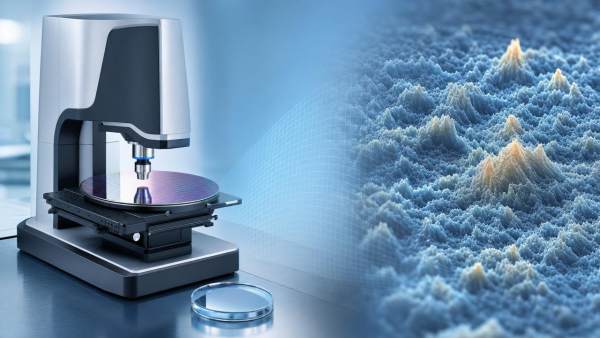
For technical evaluators, the value of nano-level 3D profiling in roughness analysis depends on more than resolution specifications.
It depends on whether nanoscale surface data improves defect detection, process control, material qualification, or product reliability enough to justify added complexity.
As tolerances tighten across semiconductors, polymers, precision optics, and advanced manufacturing, roughness decisions increasingly affect yield, safety, and digital traceability.
Understanding nano-level 3D profiling in roughness measurement
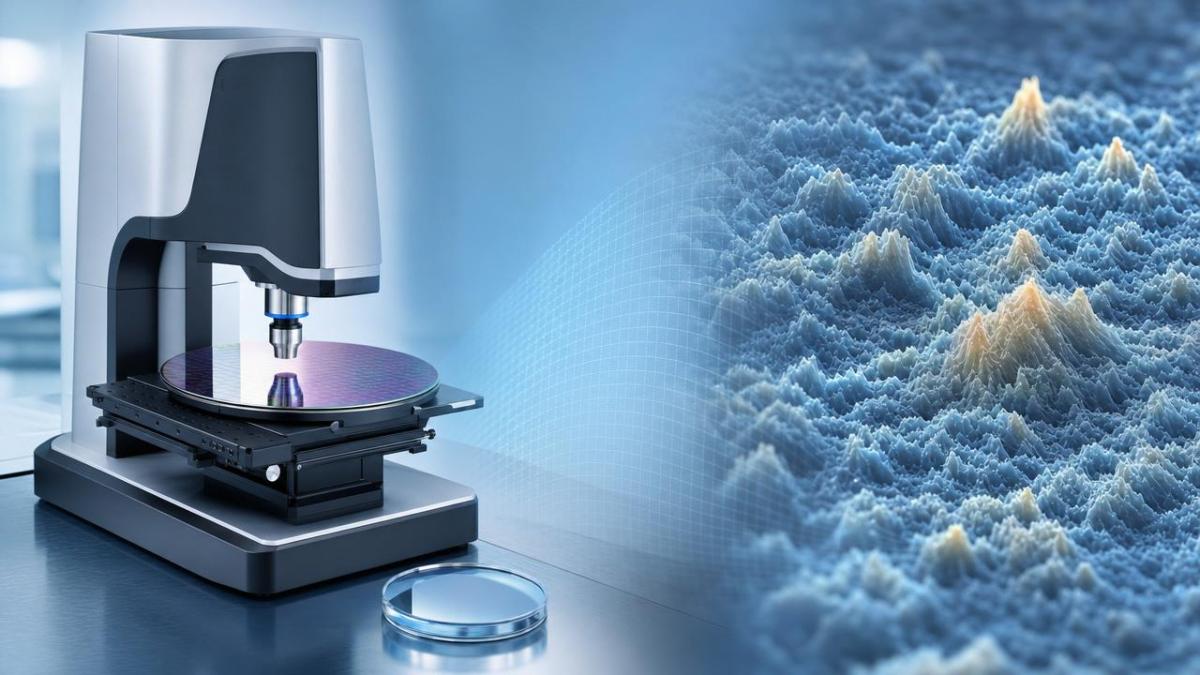
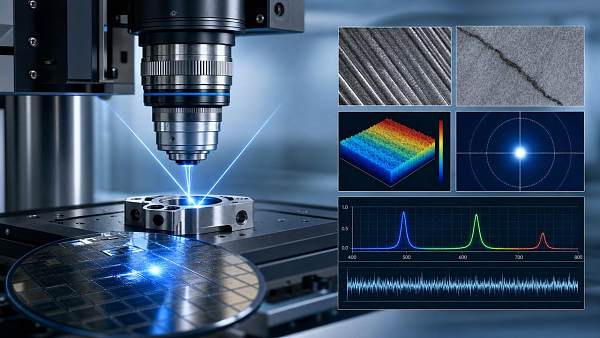
Nano-level 3D profiling captures surface height variations in three dimensions, usually at nanometer-scale vertical resolution.
Unlike a single line trace, it evaluates an area and reveals peaks, pits, scratches, waviness, texture direction, and local defects.
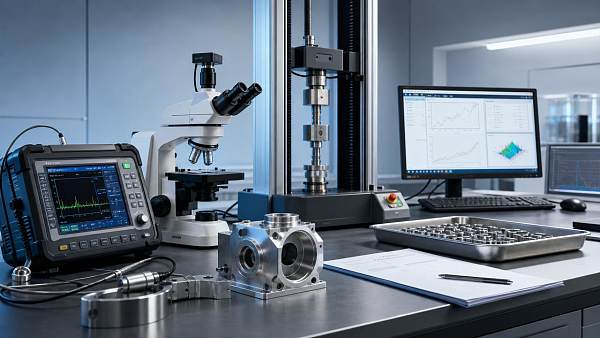
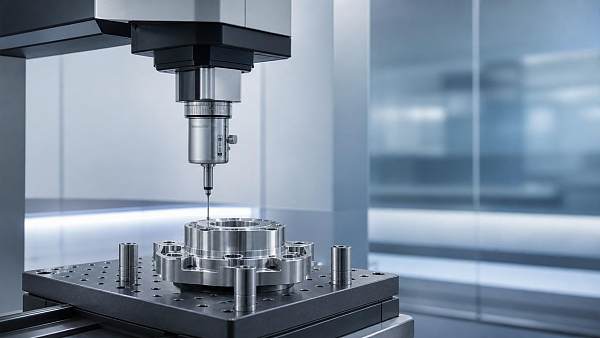
Common tools include white light interferometers, confocal microscopes, atomic force microscopes, and high-end optical 3D surface profilers.
The key question is not whether nano-level 3D profiling is precise. The question is whether that precision changes a decision.
For roughness, conventional contact stylus methods still remain practical, standardized, affordable, and robust for many machined surfaces.
However, stylus methods may miss localized defects, soft material deformation, ultra-smooth textures, or direction-dependent surface structures.
That is where nano-level 3D profiling becomes more than a premium specification. It becomes a risk-reduction instrument.
Current industry focus around roughness data
Modern production increasingly treats surfaces as functional systems, not only cosmetic or dimensional features.
Surface texture can influence adhesion, friction, sealing, fatigue life, optical transmission, coating reliability, and semiconductor yield.
PIAS observes this shift across optical metrology, material testing, NDT, process sensing, and digital manufacturing intelligence.
These signals do not mean nano-level 3D profiling is always required. They mean roughness evidence must match functional risk.
A bearing race, wafer surface, optical lens, polymer film, and additive metal part may need different texture evidence.
Where nano-level 3D profiling creates measurable value
The strongest case appears when roughness is linked to a costly failure mode or unstable process window.
Nano-level 3D profiling helps separate random noise from repeatable surface features caused by polishing, etching, molding, deposition, or wear.
It also supports areal parameters such as Sa, Sq, Ssk, Sku, Sp, Sv, Sz, and texture direction.
These parameters can reveal surface behavior that Ra alone often hides.
- Defect detection improves when pits, nodules, burrs, and scratches must be located spatially.
- Process control improves when tool wear or polishing drift changes surface texture gradually.
- Material qualification improves when coating layers or polymer surfaces require non-contact evaluation.
- Reliability studies improve when surface peaks trigger fatigue, leakage, or optical scattering.
In these cases, nano-level 3D profiling provides context, not just a number.
The value is strongest when engineering teams use the 3D map to adjust a process parameter or acceptance threshold.
Typical application scenarios and measurement fit
Different industries interpret roughness through different performance risks. The best measurement method should follow that risk.
The table shows a practical pattern. Nano-level 3D profiling is most compelling when a surface has high functional sensitivity.
It is less compelling when roughness limits are broad, surfaces are accessible, and conventional Ra values already correlate with performance.
Cost, time, and data considerations
The added value of nano-level 3D profiling must be compared with practical burdens.
High-resolution instruments can require controlled vibration, clean surfaces, trained operators, careful filtering, and consistent sampling plans.
Data volume also increases. A single 3D scan may contain millions of height points.
Without a clear decision rule, more data can create debate instead of confidence.
- Instrument cost includes hardware, software, calibration, maintenance, fixtures, and environmental control.
- Cycle time includes alignment, scanning, filtering, review, reporting, and possible repeat measurements.
- Data governance includes file storage, parameter definitions, traceability, and integration with quality systems.
- Operator capability includes understanding artifacts, edge effects, stitching errors, and optical limitations.
These factors explain why nano-level 3D profiling should not be purchased only because a brochure promises nanometer resolution.
Resolution matters, but repeatability, correlation, and decision impact matter more.
When conventional roughness methods are sufficient
Conventional roughness methods remain suitable when specifications are mature and product performance is already well correlated with 2D parameters.
A contact profilometer may be better for routine production checks on robust metal surfaces with established Ra or Rz limits.
It may also offer simpler standard compliance, lower measurement cost, and faster operator training.
In these cases, nano-level 3D profiling can serve as a periodic audit or failure-analysis tool rather than daily inspection equipment.
This hybrid approach is common in practical metrology programs.
Practical decision framework for adoption
A defensible decision begins with the surface function, not the instrument specification.
Before adopting nano-level 3D profiling, define what the surface must achieve and what failure must be prevented.
- Identify the functional risk linked to roughness, such as leakage, wear, adhesion loss, or optical scatter.
- Compare existing roughness data with field failures, yield loss, or process variation.
- Run a controlled comparison between 2D profilometry and nano-level 3D profiling.
- Select areal parameters that correlate with performance, not only familiar legacy metrics.
- Validate repeatability across operators, fixtures, sample locations, and surface finishes.
- Build reporting rules that convert 3D maps into clear accept, reject, or investigate decisions.
This framework keeps nano-level 3D profiling focused on measurable business and engineering outcomes.
It also prevents over-inspection, where premium data adds cost without improving control.
Technical precautions for reliable results
Reliable surface metrology depends on more than choosing a high-resolution instrument.
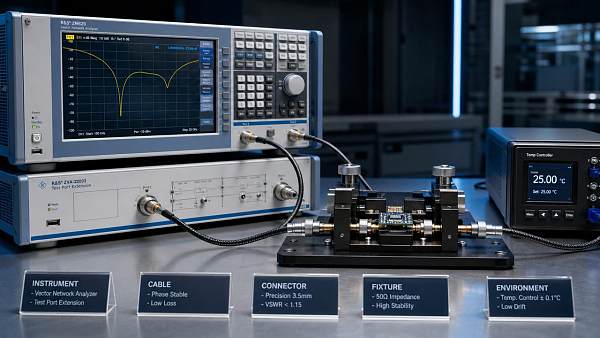
Sampling area, filter settings, optical reflectivity, vibration, contamination, and data leveling can strongly influence reported values.
For nano-level 3D profiling, the measurement recipe should be documented as carefully as the result.
- Use calibrated artifacts that match the expected height range and texture scale.
- Control cleaning methods, because residue can appear as false surface structure.
- Define filtering rules before comparing suppliers, machines, or production lots.
- Avoid comparing parameters from different instruments without correlation studies.
- Record environmental conditions when measurements approach nanometer-scale sensitivity.
These precautions are essential when nano-level 3D profiling supports qualification, supplier approval, or root-cause analysis.
They turn a visually impressive 3D image into a repeatable engineering record.
Strategic value for digital manufacturing
The broader value of nano-level 3D profiling increases when surface data connects with automation, process sensing, and material testing.
A roughness map can be linked with polishing force, temperature history, pressure variation, coating parameters, or fatigue performance.
This creates a richer data chain for predictive maintenance, quality analytics, and digital twin validation.
For PIAS, this reflects the wider role of precision instruments as tactile and visual nerves of modern industry.
Nano-level 3D profiling becomes most valuable when it helps connect microscopic texture with macro-level reliability.
Recommended next steps
Nano-level 3D profiling is worth it for roughness when nanoscale surface information changes inspection confidence, process control, or reliability decisions.
It is not automatically justified for every roughness task, especially where established 2D methods already predict performance well.
A practical next step is to select one high-risk surface and run a comparative measurement study.
Compare conventional roughness data with nano-level 3D profiling results, then test which dataset better explains defects, yield, or field behavior.
If the 3D data improves decisions, formalize parameters, sampling plans, and reporting rules.
If it does not, retain nano-level 3D profiling for targeted analysis while keeping routine inspection lean.
That balanced approach delivers precision where it matters and avoids complexity where it does not.
Related Intelligence
 Phased Array Ultrasonics - PAUTJun 10, 2026Process Plant Safety: Key Risks, Monitoring Points, and Sensor Selection BasicsProcess plant safety explained: learn key risks, critical monitoring points, and smart sensor selection basics to reduce failures, improve reliability, and build safer plant operations.
 Universal Testing MachinesJun 10, 2026Industrial Testing Equipment vs In-House QA Needs: How to Compare Cost and CapabilityIndustrial testing equipment vs in-house QA: compare true cost, capability, data quality, and risk to choose the smartest path for faster, more reliable production decisions.
 Wireless IIoT NodesJun 10, 2026Predictive Maintenance Sensors: Which Data Points Matter Most for Early Fault Detection?Predictive maintenance sensors: discover which data points detect faults earliest—vibration, temperature, pressure, electrical, and acoustic signals—to cut downtime and act faster.
 Universal Testing MachinesJun 10, 2026How to Choose Precision Instrumentation for Tight-Tolerance InspectionPrecision instrumentation for tight-tolerance inspection starts with process fit, not specs alone. Learn how to compare accuracy, stability, integration, and risk reduction for smarter selection.
 Commercial InsightsJun 10, 2026Advanced Metrology Explained: What It Measures and Where It Adds Value in ManufacturingAdvanced metrology explained: discover what it measures, where it adds value in manufacturing, and how it improves quality, control, safety, and yield.
![]() Commercial InsightsJun 09, 2026Metrology Regulations Explained: Calibration, Traceability, and Audit ReadinessMetrology regulations explained: learn how calibration, traceability, and audit readiness protect measurement credibility, reduce risk, and strengthen compliance in modern industrial operations.
Commercial InsightsJun 09, 2026Metrology Regulations Explained: Calibration, Traceability, and Audit ReadinessMetrology regulations explained: learn how calibration, traceability, and audit readiness protect measurement credibility, reduce risk, and strengthen compliance in modern industrial operations.![]() Wireless IIoT NodesJun 09, 2026Process Automation Sensors Selection Guide: Key Signals, Accuracy, and IntegrationProcess automation sensors selection guide covering key signals, accuracy, diagnostics, and integration. Learn how to choose reliable sensors that improve uptime, safety, and plant performance.
Wireless IIoT NodesJun 09, 2026Process Automation Sensors Selection Guide: Key Signals, Accuracy, and IntegrationProcess automation sensors selection guide covering key signals, accuracy, diagnostics, and integration. Learn how to choose reliable sensors that improve uptime, safety, and plant performance.![]() Phased Array Ultrasonics - PAUTJun 09, 2026Ultrasonic Testing vs Phased Array: Which NDT Method Fits Weld Inspection?Ultrasonic testing vs phased array for weld inspection: compare cost, speed, flaw detection, and traceability to choose the right NDT method for safer, smarter decisions.
Phased Array Ultrasonics - PAUTJun 09, 2026Ultrasonic Testing vs Phased Array: Which NDT Method Fits Weld Inspection?Ultrasonic testing vs phased array for weld inspection: compare cost, speed, flaw detection, and traceability to choose the right NDT method for safer, smarter decisions.![]() Wireless IIoT NodesJun 09, 2026How to Choose Non-Contact Sensors for Harsh Industrial EnvironmentsNon-contact sensors for harsh industrial environments: learn how to compare sensor types, verify durability, and improve measurement accuracy, uptime, and lifecycle value.
Wireless IIoT NodesJun 09, 2026How to Choose Non-Contact Sensors for Harsh Industrial EnvironmentsNon-contact sensors for harsh industrial environments: learn how to compare sensor types, verify durability, and improve measurement accuracy, uptime, and lifecycle value.![]() Commercial InsightsJun 09, 2026Process Instrumentation Basics: What It Measures and How It Improves Plant ControlProcess instrumentation explains how plants measure flow, pressure, temperature, and level to improve control, safety, quality, and efficiency—discover practical selection and upgrade insights.
Commercial InsightsJun 09, 2026Process Instrumentation Basics: What It Measures and How It Improves Plant ControlProcess instrumentation explains how plants measure flow, pressure, temperature, and level to improve control, safety, quality, and efficiency—discover practical selection and upgrade insights. Confocal Laser MicroscopesJun 08, 2026Optical Signals Analysis Explained: Methods, Noise Sources, and Data ReliabilityOptical signals analysis explained: explore core methods, major noise sources, and practical ways to improve data reliability for smarter industrial decisions.
 High-frequency Fatigue TestersJun 08, 2026High-Frequency Measurement Accuracy: Key Parameters That Cause Test DriftHigh-frequency measurement accuracy starts drifting with cables, connectors, impedance mismatch, and temperature. Learn the key causes, practical fixes, and how to keep test data reliable.
 3D Optical ProfilersJun 08, 2026Industrial Metrology for Tight Tolerances: How to Choose the Right SystemIndustrial metrology for tight tolerances: learn how to choose the right system for accuracy, speed, traceability, and lower scrap in demanding production environments.