Ultrasonic Testing vs Phased Array: Which NDT Method Fits Weld Inspection?

Ultrasonic Testing vs Phased Array: Which NDT Method Fits Weld Inspection?
For quality and safety decisions, inspection method choice is never minor.
It influences defect detection, repair timing, reporting quality, and final weld acceptance.
That is why ultrasonic testing remains a core topic in modern weld inspection programs.
At the same time, phased array has moved from specialist use into routine industrial practice.
Both methods are based on sound waves, yet they do not deliver the same workflow.
In actual operations, the difference often shows up in speed, traceability, and flaw characterization.
This comparison explains where conventional ultrasonic testing works best and when phased array creates stronger value.
What Ultrasonic Testing and Phased Array Actually Do
Ultrasonic testing uses high-frequency sound to detect internal discontinuities inside a weld.
A probe sends sound into the material and receives echoes from boundaries or defects.
The inspector interprets signal amplitude, travel time, and pattern changes.
This conventional ultrasonic testing method is proven, portable, and widely accepted by codes.
Phased array is an advanced form of ultrasonic testing, not a separate physical principle.
It uses multiple elements in one probe to steer, focus, and sweep the beam electronically.
That creates sector scans, clearer coverage, and more visual inspection data.
So the real question is not which one is modern.
The better question is which ultrasonic testing approach matches your weld geometry, risk level, and documentation needs.
How Conventional Ultrasonic Testing Performs in Weld Inspection
Conventional ultrasonic testing still performs well in many common weld inspection tasks.
It is especially practical for simple butt welds, thicker sections, and established procedures.
Its biggest strength is efficiency with trained personnel and clear acceptance criteria.
Equipment cost is lower than phased array systems.
Setup is usually faster for standard jobs with repeatable weld preparation.
In field environments, that matters more than many teams expect.
Conventional ultrasonic testing is also valuable when inspections must be completed on tight maintenance windows.
Still, limitations appear when welds become complex or defect orientation becomes uncertain.
Signal interpretation depends heavily on operator skill and beam angle selection.
Characterizing flaw height, position, and shape can take more time.
That can affect consistency across shifts, contractors, or multi-site programs.
Best-fit situations for conventional ultrasonic testing
- Routine weld inspection on standard joint designs
- Projects with limited budget for equipment upgrades
- Field work where rugged portability matters most
- Programs already qualified around conventional ultrasonic testing procedures
Where Phased Array Changes the Game
Phased array improves ultrasonic testing by expanding beam control and inspection visibility.
One probe can sweep multiple angles without changing wedges repeatedly.
That reduces scanning passes and improves coverage of complex weld volumes.
In practical terms, phased array often detects lack of fusion, cracks, slag, and porosity with better positional confidence.
Its imaging capability also helps teams review indications with less ambiguity.
That becomes important when repair decisions carry production, safety, or compliance consequences.
Another advantage is digital record quality.
Phased array systems usually store scan data for later review, audit, or client reporting.
This aligns well with current demand for traceability, predictive maintenance, and digital quality systems.
The tradeoff is higher capital cost, more procedure development, and stronger training requirements.
So phased array is not automatically the better answer for every weld inspection plan.
Phased array is especially useful when
- Weld geometry is complex or access is restricted
- Inspection speed must improve without losing coverage
- Clients require data-rich reports and scan archiving
- Critical assets demand better flaw sizing confidence
Direct Comparison: Ultrasonic Testing vs Phased Array for Welds
A side-by-side view makes the decision easier.
Both methods support code-based weld inspection, but they serve different operational priorities.
From a risk perspective, phased array usually gives more decision support when defect interpretation is difficult.
From a cost-control perspective, conventional ultrasonic testing often remains the sensible baseline.
Standards, Qualification, and Real Inspection Constraints
Method selection should never ignore standards and qualification rules.
For weld inspection, code acceptance may depend on ASME, ISO, AWS, or customer-specific requirements.
Some applications fully support phased array.
Others still rely on conventional ultrasonic testing procedures with established calibration blocks and acceptance references.
This also means procedure qualification matters as much as hardware capability.
A poorly qualified phased array setup can create false confidence.
A well-managed conventional ultrasonic testing procedure can outperform a rushed advanced inspection.
In real projects, access, surface condition, temperature, coating, geometry, and weld cap profile also shape performance.
That is why the best NDT choice is operational, not just technical.
Key questions before choosing a method
- What defect types are most likely in this weld?
- How complex is the weld geometry and access path?
- What code or customer standard governs acceptance?
- How important are scan storage and audit-ready records?
- Does the team have qualified personnel for phased array interpretation?
How to Choose the Right Ultrasonic Testing Strategy
If your weld inspection program focuses on standard fabrication, conventional ultrasonic testing may be enough.
It keeps cost under control and supports fast deployment.
If your assets are critical, welds are complex, or traceability is under pressure, phased array deserves serious attention.
Many organizations now use both.
They apply conventional ultrasonic testing for routine jobs and phased array for high-risk welds.
That hybrid model often delivers the best balance of inspection confidence and budget discipline.
From a broader industrial trend, digital inspection evidence is becoming more valuable every year.
This is especially true in smart manufacturing, asset integrity management, and predictive maintenance programs.
For that reason, phased array is gaining ground.
But conventional ultrasonic testing remains a dependable and relevant inspection method, not an outdated one.
The best next step is simple.
Review your weld types, applicable standards, defect history, and reporting obligations together.
Then match the ultrasonic testing method to actual risk, not just to equipment trend.
Related Intelligence
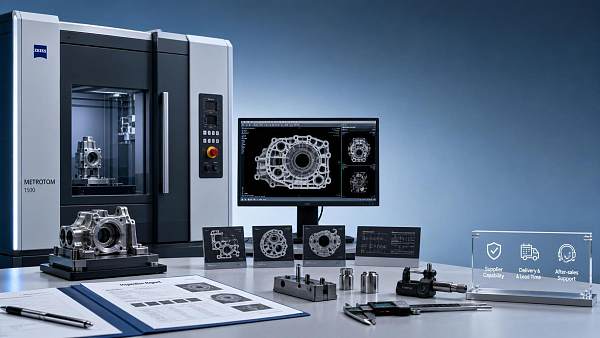
 Industrial X-ray/CTJun 20, 2026How to Compare an Industrial CT Supplier: Key Checks for Capability, Lead Time, and SupportIndustrial CT supplier comparison starts with proof, not price. Learn how to check capability, real lead time, support, and hidden costs before you buy.
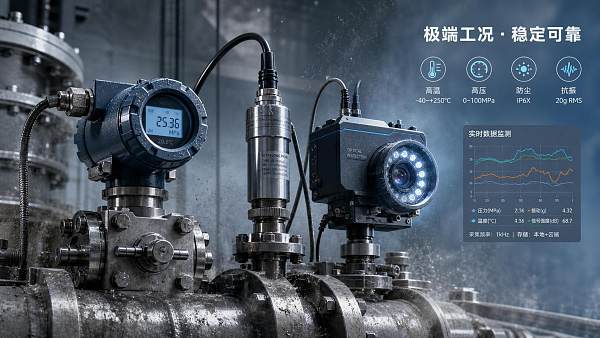
 RTD/Thermocouple Sensors)Jun 20, 2026How to Evaluate Extreme Environment Adaptability for Sensors and Industrial Test EquipmentExtreme environment adaptability starts with real operating conditions. Learn how to assess sensors and industrial test equipment for drift, durability, and reliable performance in harsh applications.
 Wireless IIoT NodesJun 20, 2026What Instrument Intellectualization Means in Manufacturing and Which Functions Matter MostInstrument intellectualization explained: discover the smart functions that matter most in manufacturing, from diagnostics to connectivity, and learn where they deliver the fastest ROI.
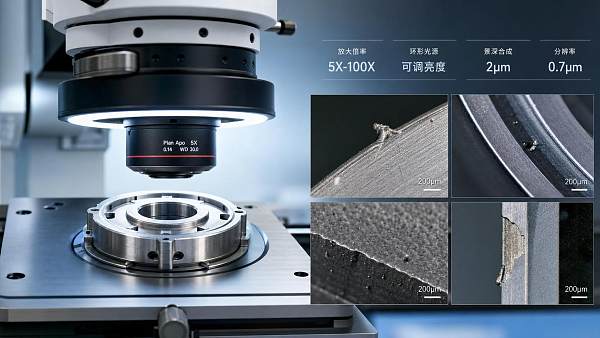
 Confocal Laser MicroscopesJun 20, 2026Industrial Microscopy for Surface Inspection: How to Choose Magnification, Lighting, and DepthIndustrial microscopy guide for surface inspection: learn how to choose the right magnification, lighting, and depth to detect defects faster, improve repeatability, and support smarter quality decisions.
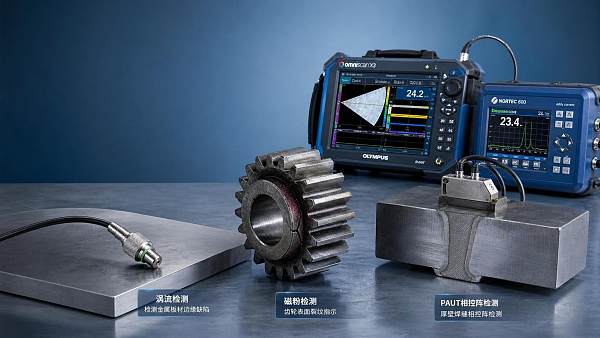
 Eddy Current & MPIJun 20, 2026Fatigue Crack Detection Methods Explained: When to Use Eddy Current, MPI, or PAUTFatigue crack detection explained: learn when to use Eddy Current, MPI, or PAUT based on material, crack depth, and inspection goals for safer, smarter asset decisions.
 Commercial InsightsJun 19, 2026Process Instrumentation Selection Guide: Key Signal, Accuracy, and Environment FactorsProcess instrumentation selection guide covering signal types, accuracy, and environmental factors. Learn how to choose reliable instruments for safer operations and better data.
 Silicon Pressure TransmittersJun 19, 2026Pressure Transmitters Quotation Explained: What Changes Price in Industrial Projects?Pressure transmitters quotation explained clearly: discover what drives price in industrial projects, compare quotes smarter, and avoid hidden costs before you buy.
 80GHz Radar Level TransmittersJun 19, 2026High-Frequency Radar vs Ultrasonic Level Sensors: Which Fits Dusty Silos Better?High-frequency radar vs ultrasonic: discover why high-frequency radar delivers more reliable level measurement in dusty silos, with less interference, lower maintenance, and smarter long-term performance.
 Commercial InsightsJun 19, 2026Material Yield Verification Methods: How to Reduce Scrap and Prove Process StabilityMaterial yield verification helps reduce scrap, validate process stability, and connect testing, NDT, and sensor data to real production decisions. Learn practical methods that improve confidence and cut waste.
 Commercial InsightsJun 19, 2026Industrial Data Analytics in Manufacturing: Which KPIs Matter Most First?Industrial data analytics in manufacturing starts with the right KPIs. Learn which metrics—throughput, quality, downtime, energy, and risk—deliver the fastest operational impact.
 Commercial InsightsJun 18, 2026Metrology Regulation Compliance: Key Requirements for Audits and Product TraceabilityMetrology regulation compliance explained: discover key audit requirements, traceability risks, and practical steps to strengthen records, product release confidence, and regulatory readiness.
 Magnetic/Ultrasonic MetersJun 18, 2026Flow Meters for Process Lines: How to Compare Accuracy, Fluid Type, and CostFlow meters for process lines: compare accuracy, fluid compatibility, and total cost to choose the right solution, reduce downtime, and improve process efficiency.
 Wireless IIoT NodesJun 18, 2026Predictive Maintenance Sensors: What Data Matters Most for Early Fault Detection?Predictive maintenance sensors data guide earlier fault detection. Learn which signals matter most—vibration, temperature, pressure, flow, acoustic, and electrical—to reduce downtime and improve asset reliability.