How to Choose Corrosive Environment Sensors for Chemical Plants and Offshore Sites
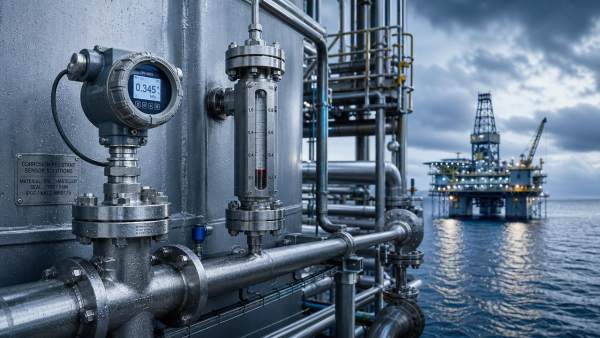
Choosing corrosive environment sensors for chemical plants and offshore sites is rarely a simple specification exercise. The decision shapes process safety, maintenance intervals, regulatory exposure, and long-term asset performance. In harsh service, a sensor must do more than survive contact with chlorides, acids, solvents, humidity, and washdown cycles. It must also keep delivering stable data that operators can trust when process conditions become less forgiving.
That is why corrosive environment sensors now sit at the intersection of instrumentation, risk control, and digital operations. As industrial measurement moves deeper into Industry 4.0 and Digital Twins, every unreliable reading creates a wider operational gap. In sectors tracked closely by PIAS, from flow and level metering to pressure, temperature, and NDT-linked asset monitoring, sensor selection increasingly depends on how well devices resist aggressive media without drifting, leaking, or failing prematurely.
Why the selection process matters more in harsh environments
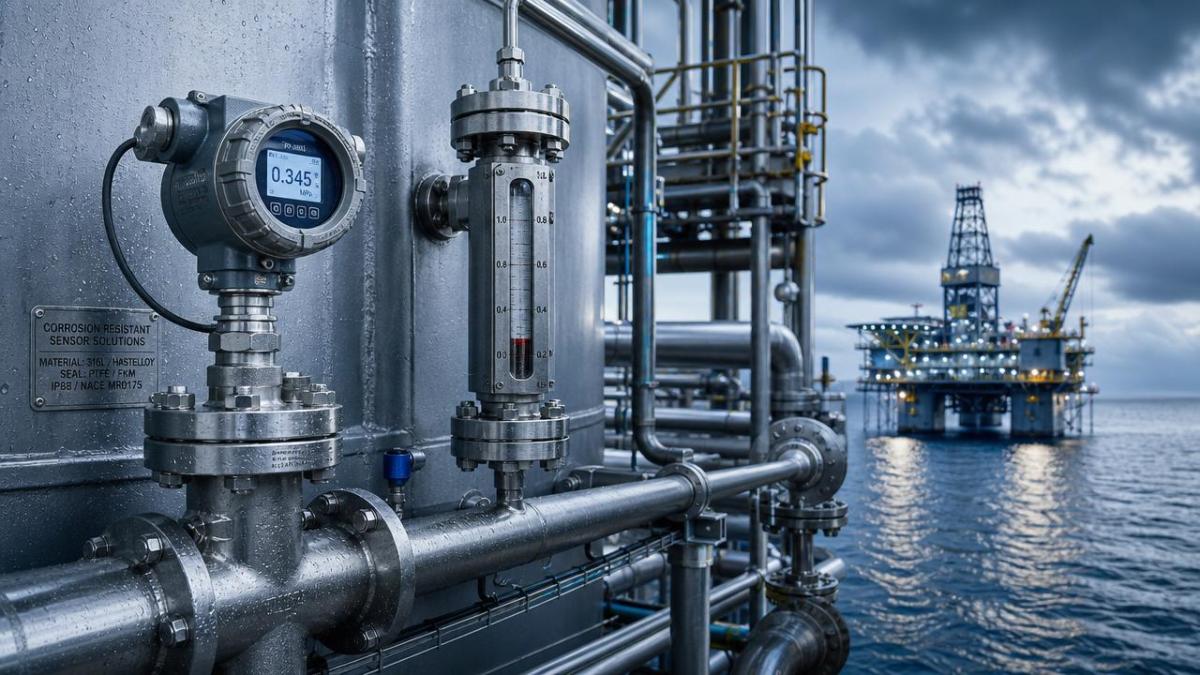
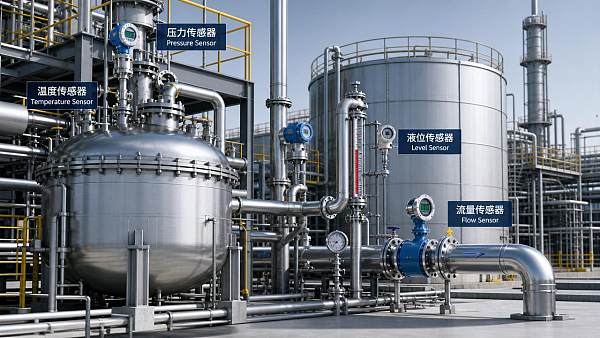
Chemical plants and offshore platforms expose instruments to combined stress, not a single threat. A sensor may face corrosive vapor externally, reactive fluid internally, vibration from pumps, thermal cycling, and intermittent pressure spikes at the same time.
Under those conditions, a product that looks acceptable on a datasheet can become a weak point in the field. Seal degradation, hidden crevice corrosion, coating damage, and connector failure often appear before the sensing element itself fails.
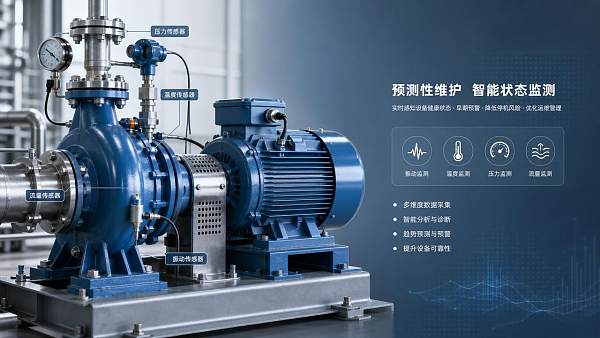
This is especially important where instrumentation supports custody transfer, process control, shutdown logic, or predictive maintenance. A wrong reading may trigger false alarms, delay intervention, or hide the early signs of equipment damage.
What corrosive environment sensors really need to handle
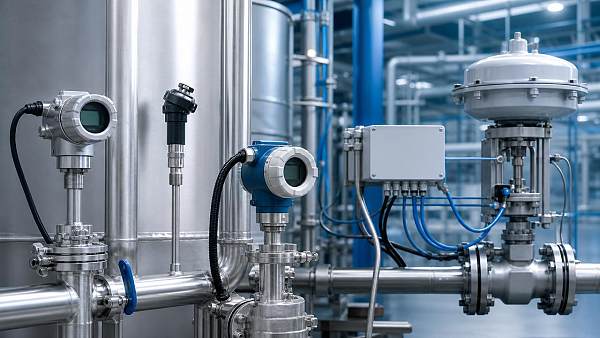
The term corrosive environment sensors covers more than stainless steel housings. It refers to sensors designed to preserve measurement integrity in atmospheres or process media that attack metals, polymers, electronics, and sealing systems.
In practical use, selection usually depends on four exposure layers: process contact, ambient exposure, cleaning exposure, and installation stress. Missing any one of them can distort the final decision.
Internal media compatibility
Acids, alkalis, hydrocarbons, brine, sulfur compounds, and mixed fluids can attack diaphragms, probes, wetted fittings, and isolation barriers. Compatibility tables help, but actual temperature and concentration often change the corrosion rate sharply.
External environmental resistance
Salt spray, UV exposure, marine humidity, chemical fumes, and standing condensation can damage cable glands, enclosure seams, display windows, and fasteners. Many field failures begin outside the process connection.
Measurement stability over time
A sensor may remain physically intact yet still lose value through drift, lag, coating buildup, or signal noise. For critical loops, durability without accuracy is not enough.
Materials are the first filter, not the last answer
Material selection is where most evaluations begin, but it should not end there. In corrosive service, the exact alloy, surface finish, and joint design can matter as much as the headline material name.
For example, 316L may perform well in many plant areas, yet chloride-rich offshore zones or hot acidic service may require higher-grade alloys. The same logic applies to elastomers. A seal that handles water washdown may degrade quickly in solvent vapor.
PIAS often highlights this broader view across process instrumentation categories. The lesson is consistent: material compatibility must be judged against the real duty cycle, not only nominal process fluid.
Sealing, enclosure design, and ingress protection
Many corrosive environment sensors fail because moisture enters slowly through weak sealing paths. That makes enclosure design a major selection factor, especially in offshore installations and open-process areas.
IP ratings remain useful, but they should be read with caution. An IP66 or IP67 label confirms tested ingress resistance under defined conditions. It does not automatically confirm long-term resistance to chemical washdown, salt crystallization, or repeated thermal breathing.
- Check whether cable entry points are molded, potted, or gland-sealed.
- Review vent design for pressure equalization without moisture intake.
- Inspect display windows and adhesive bonds for chemical resistance.
- Confirm whether connectors remain serviceable after repeated cleaning.
- Look for details on corrosion testing, not only water ingress testing.
In remote sites, a sealed non-display transmitter may outperform a more feature-rich local interface if visibility is already available through the control system. The best sensor is often the one with fewer exposed failure points.
Certifications and compliance should match the location risk
Harsh environments often overlap with hazardous areas. That means corrosive environment sensors may need both material resilience and formal compliance for explosive atmospheres, marine service, or hygiene-driven cleaning routines.
The right certification set depends on the application. ATEX, IECEx, UL, marine approvals, NEMA classifications, and specific corrosion or salt mist tests each answer different questions. None of them replaces a proper fit-for-service review.
It is also worth checking documentation quality. A supplier that clearly defines wetted materials, enclosure construction, failure limits, and calibration intervals usually creates fewer surprises during project execution and handover.
Different sensor types face different corrosion risks
Not all corrosive environment sensors behave the same way in the field. The sensing principle influences how coatings, deposits, conductivity shifts, and pressure pulsation affect performance.
Pressure and differential pressure transmitters
These depend heavily on diaphragm material, fill fluid stability, and isolation seal design. Small corrosion pits can evolve into drift, delayed response, or diaphragm rupture.
Level sensors
Radar and guided wave systems avoid some contact issues, but probes, antenna coatings, and nozzle installations still require attention. Foam, vapor, buildup, and tank cleaning chemistry can alter performance.
Temperature sensors
The sensing element may be protected, yet thermowells and sheath materials remain exposed to corrosion and flow-induced stress. In aggressive service, thermowell design becomes part of the sensor decision.
Flow and analytical instruments
Flowmeters and chemical analyzers often face the combined challenge of corrosion, fouling, and accuracy drift. For these devices, maintenance accessibility and verification methods deserve more weight.
A practical evaluation framework for project decisions
A useful way to compare corrosive environment sensors is to score them against the actual operating envelope rather than the procurement summary. That keeps lifecycle risk visible from the start.
- Map internal media, concentration range, and upset conditions.
- Define external exposure, including salt, fumes, washdown, and UV.
- Match materials for wetted parts, seals, housing, and connectors.
- Verify certifications for hazardous and marine installation zones.
- Review drift behavior, calibration needs, and maintenance access.
- Check supplier documentation depth and field service support.
This framework also aligns with the way PIAS interprets industrial sensing trends. High-value instrumentation is no longer judged only by initial measurement range. It is judged by how reliably it feeds trusted data into broader maintenance, safety, and optimization systems.
Where long-term value really comes from
The business case for better corrosive environment sensors is usually found in avoided disruption. Longer service life matters, but so do fewer unplanned shutdowns, fewer calibration interventions, and lower exposure during maintenance.
In offshore settings, each replacement event can carry logistics cost, permit complexity, and weather-related delay. In chemical processing, the same event can trigger contamination risk, production loss, or compliance review.
That is why robust sensor selection supports more than equipment reliability. It also improves data credibility across flow control, pressure monitoring, NDT-informed asset health programs, and digital performance models.
Moving from specification to confident selection
The next step is to turn a general requirement into a site-specific review. Start with the real process chemistry, then add ambient exposure, maintenance practice, certification demands, and expected data criticality.
When comparing corrosive environment sensors, the strongest option is usually the one with the clearest evidence across materials, sealing, test history, and long-term measurement stability. A short pilot, a documented compatibility review, or a tighter vendor questionnaire can reveal more than a broad product catalog.
For organizations building more connected plants and offshore assets, that disciplined approach creates better decisions now and more reliable industrial data later.
Related Intelligence
 Commercial InsightsJun 12, 2026Acoustic Signals Measurement Explained: Key Methods, Noise Sources, and Accuracy LimitsAcoustic signals measurement explained clearly: learn key methods, major noise sources, and real accuracy limits to improve diagnostics, leak detection, and reliable industrial decisions.
 Wireless IIoT NodesJun 12, 2026What to Check When Comparing a Smart Sensors Manufacturer for Industrial ProjectsSmart sensors manufacturer comparison guide for industrial projects: learn how to assess reliability, integration, certifications, support, and total cost before you choose.
 Phased Array Ultrasonics - PAUTJun 12, 2026Ultrasonic Testing Equipment Selection Guide: Frequency, Probe Type, and Defect DepthUltrasonic testing equipment selection made simple: learn how frequency, probe type, and defect depth affect detection accuracy, inspection confidence, and smarter buying decisions.
 Commercial InsightsJun 12, 2026High-End Instrument Controls: Which Performance Specs Matter Most Before You Buy?High-end instrument controls buying guide: compare accuracy, repeatability, response time, integration, and lifecycle ROI to choose smarter, safer, more reliable performance.
 Wireless IIoT NodesJun 12, 2026How Thermodynamic Changes Monitoring Helps Detect Process Drift in Industrial SystemsThermodynamic changes monitoring helps detect early process drift in industrial systems by revealing hidden thermal shifts that impact quality, efficiency, and asset reliability.
 Evolutionary TrendsJun 11, 2026Meeting Industry 4.0 Data Needs: Key Instrumentation Gaps in Legacy PlantsIndustry 4.0 data needs are exposing critical instrumentation gaps in legacy plants. Discover how better sensing improves reliability, traceability, and digital performance.
 Eddy Current & MPIJun 11, 2026NDT Equipment vs Destructive Testing: Which Option Fits Your QA Budget and Risk?NDT equipment vs destructive testing: compare QA cost, risk, scrap, and compliance impact to choose the smarter inspection strategy for higher ROI and safer operations.
 Silicon Pressure TransmittersJun 11, 2026Process Instrumentation Basics: Sensors, Transmitters, and Controllers ExplainedProcess instrumentation explained clearly: learn how sensors, transmitters, and controllers work together to improve safety, accuracy, and control across modern industrial systems.
 Commercial InsightsJun 11, 2026Industrial Measurement Solutions for Multi-Line Plants: What Data Should You Integrate First?Industrial measurement solutions for multi-line plants: learn which data to integrate first to reduce downtime, expose hidden losses, improve quality traceability, and accelerate operational gains.
 Phased Array Ultrasonics - PAUTJun 11, 2026How to Choose an Ultrasonic Testing Machine for Weld Inspection and Thickness TestingUltrasonic testing machine selection made simple: compare weld inspection and thickness testing needs, key specs, software, and compliance factors to choose with confidence.
 Phased Array Ultrasonics - PAUTJun 10, 2026Process Plant Safety: Key Risks, Monitoring Points, and Sensor Selection BasicsProcess plant safety explained: learn key risks, critical monitoring points, and smart sensor selection basics to reduce failures, improve reliability, and build safer plant operations.
 Universal Testing MachinesJun 10, 2026Industrial Testing Equipment vs In-House QA Needs: How to Compare Cost and CapabilityIndustrial testing equipment vs in-house QA: compare true cost, capability, data quality, and risk to choose the smartest path for faster, more reliable production decisions.
 Wireless IIoT NodesJun 10, 2026Predictive Maintenance Sensors: Which Data Points Matter Most for Early Fault Detection?Predictive maintenance sensors: discover which data points detect faults earliest—vibration, temperature, pressure, electrical, and acoustic signals—to cut downtime and act faster.