When industrial measurement technology improves audit readiness
Audit readiness now depends on more than policies and archived reports. It depends on trusted evidence generated at the source.
That is why industrial measurement technology has moved from the plant floor into the center of compliance strategy.
When measurements are precise, traceable, and continuously verified, audits become faster, findings become fewer, and decisions become more defensible.
Across process industries, heavy equipment, advanced materials, and quality-critical operations, measurement systems support data integrity and operational proof.
PIAS closely tracks this shift through industrial metrology, NDT, optical inspection, and materials testing intelligence.
The result is simple: better measurement builds stronger audit readiness from the first signal to the final report.
What does industrial measurement technology mean for audit readiness?
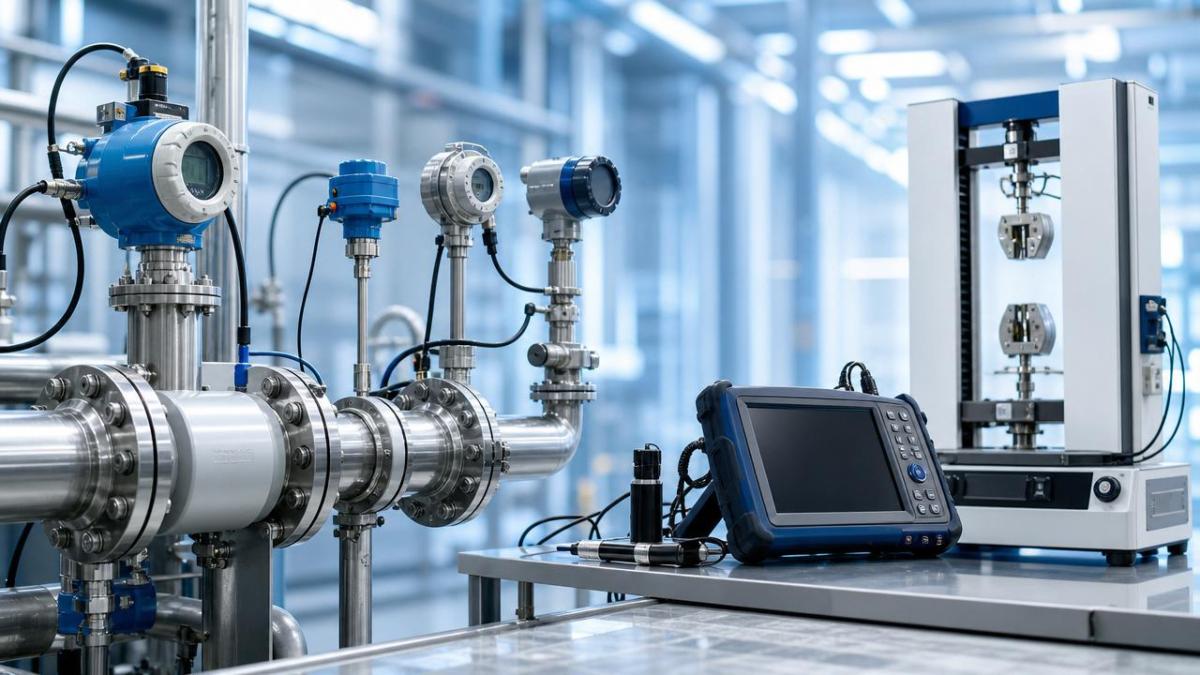
Industrial measurement technology includes instruments and systems that capture physical conditions with repeatable accuracy.
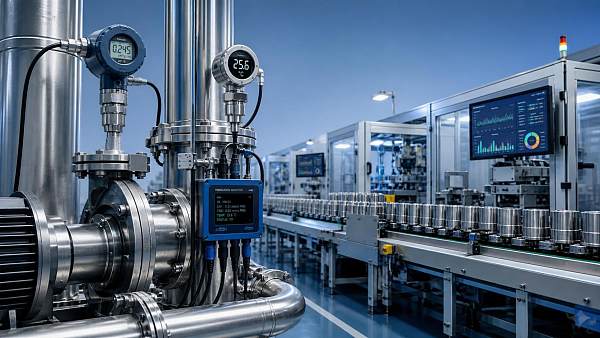
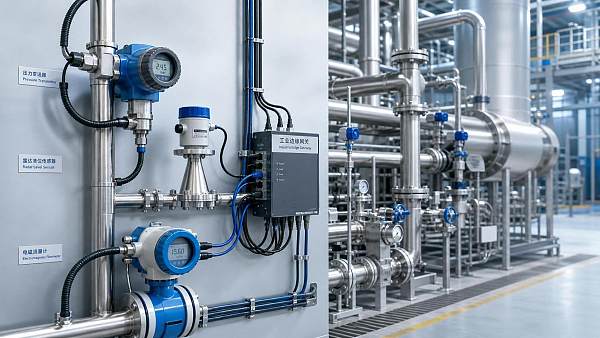
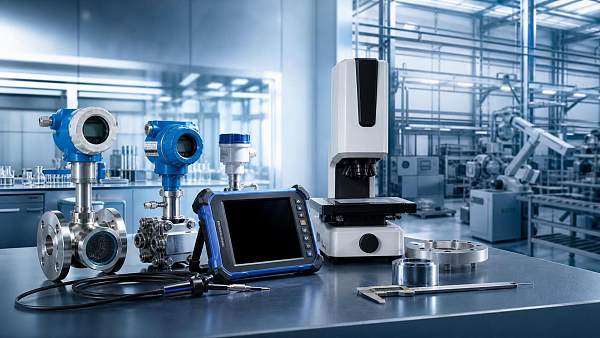
Examples include flow meters, pressure transmitters, temperature sensors, NDT equipment, optical microscopes, and material testing machines.
In an audit context, these tools do more than monitor production. They document whether processes remained within approved limits.
Auditors usually seek objective evidence. Industrial measurement technology creates that evidence through time-stamped readings, calibration records, and alarm histories.
This matters because manual logs can be incomplete, delayed, or inconsistent. Automated measurement reduces those weaknesses.
It also strengthens traceability. A verified signal can be linked to a batch, a machine state, a maintenance event, or a product release decision.
For organizations facing stricter quality, safety, and environmental reviews, that connection is essential.
Why do auditors care so much about measurement accuracy and traceability?
Auditors rarely evaluate performance by claims alone. They evaluate the reliability of records, controls, and underlying measurement methods.
If a pressure excursion occurred, they want to know when it happened, how it was detected, and whether the sensor was validated.
If material properties were certified, they want proof that test conditions and instruments met required standards.
Industrial measurement technology supports this by creating a chain of evidence.
- Calibration history shows the instrument remained within accepted tolerance.
- Digital logs show when parameters changed and who authorized them.
- Alarm data reveals whether abnormal conditions were caught in time.
- Inspection images and NDT files preserve evidence beyond a written summary.
Traceability also reduces disputes. When records are synchronized across sensors and systems, root-cause analysis becomes clearer.
That clarity is especially valuable in regulated production, energy transfer, asset integrity management, and supplier qualification.
Which measurement systems have the strongest impact on compliance and audit outcomes?
The answer depends on the operating environment, but several categories repeatedly influence audit performance.
Flow and level measurement
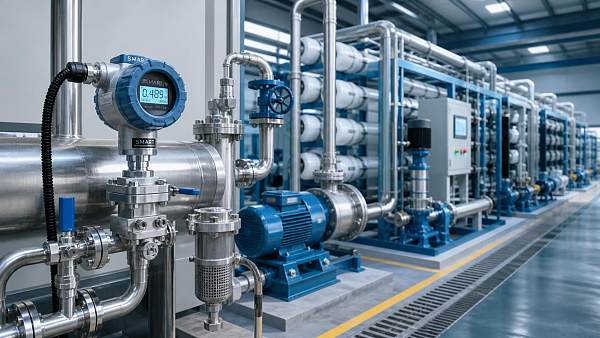
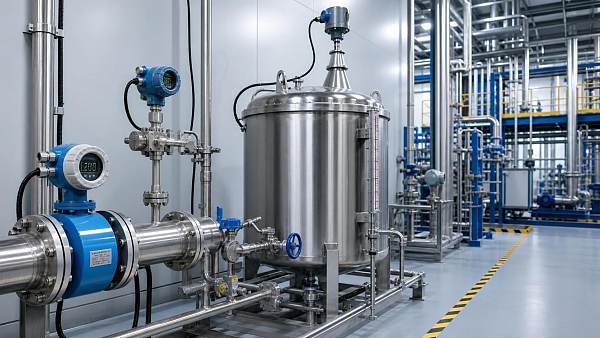
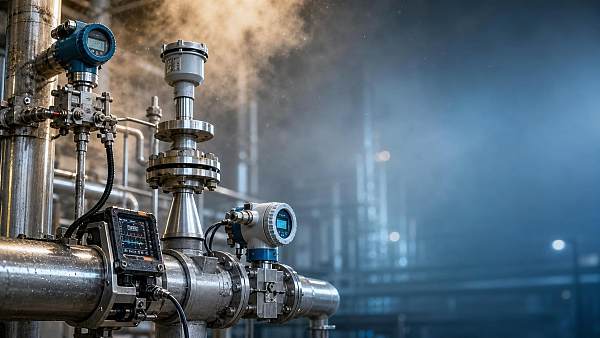
Coriolis and radar systems help verify custody transfer, inventory control, and process consistency.
Where high-value fluids move through harsh pipelines, precise measurement supports both financial and regulatory accountability.
Pressure and temperature transmission
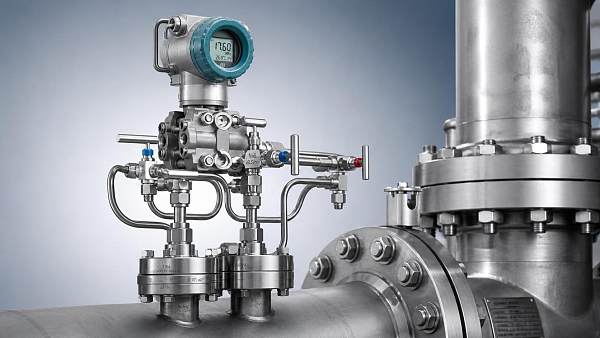
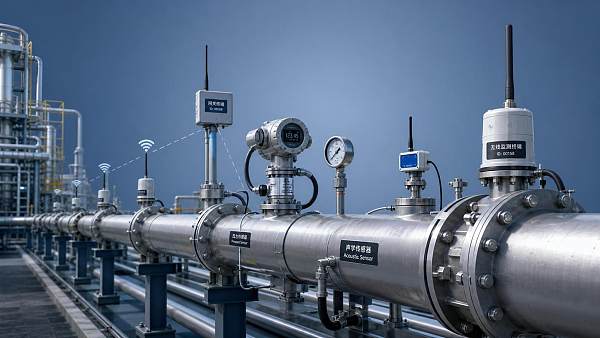
These devices act as early warning points for unstable conditions.
Accurate transmitters help prove that processes stayed inside safe envelopes and that deviations triggered proper responses.
NDT equipment
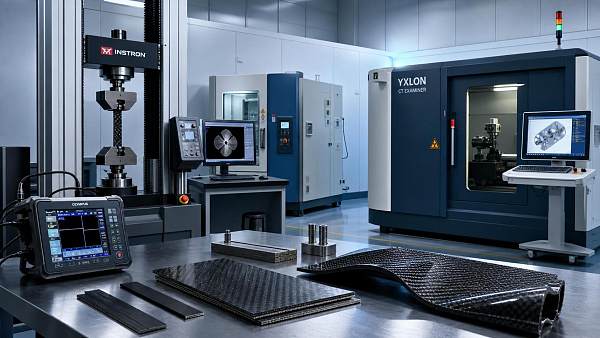
Phased array ultrasonics and industrial CT are powerful in asset-intensive sectors.
They document internal defects, weld integrity, and structural fatigue without damaging the part.
Optical metrology
Microscopes and vision-based systems support dimensional verification, surface analysis, and defect classification.
They are often critical when product conformity depends on micron-level tolerances.
Material testing systems
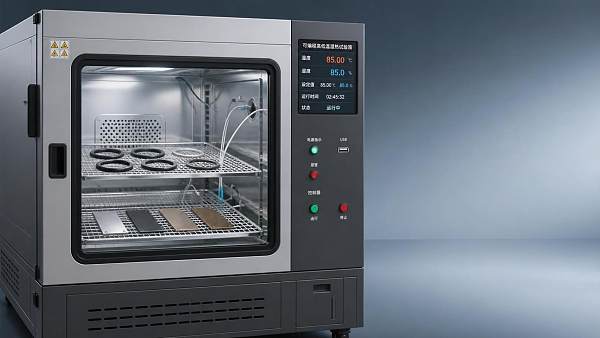
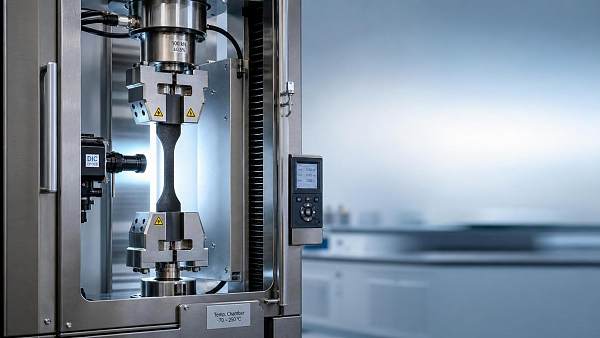
Tensile, compression, fatigue, and environmental testing validate whether materials meet design intent and certification requirements.
For audit readiness, these records prove not just performance, but test credibility.
How can organizations judge whether their industrial measurement technology is audit-ready?
Being instrumented is not the same as being audit-ready. A practical review should examine five areas.
- Accuracy fit: Is the measurement uncertainty appropriate for the control limit or specification?
- Traceability fit: Can readings be linked to calibration standards, timestamps, and process records?
- Data integrity fit: Are changes logged, protected, and reviewable?
- Coverage fit: Do critical points have enough sensing depth to detect drift and hidden defects?
- Response fit: Do alarms, inspections, and workflows trigger timely corrective action?
A common weakness is relying on excellent hardware with poor record management.
Another is overlooking environmental effects such as dust, vibration, corrosion, heat, or electromagnetic interference.
Industrial measurement technology only improves audits when readings remain dependable under real operating stress.
What mistakes reduce the audit value of industrial measurement technology?
Several recurring mistakes weaken otherwise strong systems.
- Using sensors with insufficient range or resolution for the process risk.
- Treating calibration as a yearly task instead of a risk-based discipline.
- Storing images, test files, and inspection data in disconnected silos.
- Failing to validate software updates, algorithms, or AI-based defect recognition workflows.
- Ignoring technician training for setup, interpretation, and exception handling.
Another major issue is false confidence in data volume. More data does not guarantee stronger evidence.
Audit strength comes from relevant, verified, and retrievable data tied to a controlled process.
PIAS often highlights this point in coverage of digital twins and predictive maintenance trends.
Without rigorous signal quality and interpretation discipline, advanced analytics can amplify poor inputs.
How should implementation be planned for cost, timeline, and long-term value?
The best approach is phased, risk-based, and evidence-oriented.
Start by identifying audit-critical measurements. These usually include safety limits, quality release points, integrity checks, and regulated transfers.
Next, compare current measurement capability against required proof. This reveals where upgrades will create the fastest audit benefit.
A realistic plan often includes these steps:
- Map critical control points and required evidence types.
- Prioritize sensors and inspection tools with the largest compliance impact.
- Standardize calibration, maintenance, and data retention practices.
- Integrate measurement outputs with quality and maintenance records.
- Review performance after pilot deployment before scaling.
Costs vary by complexity, but hidden costs usually come from downtime, requalification, and fragmented data correction.
Long-term value appears when industrial measurement technology reduces repeat deviations, speeds investigations, and supports continuous improvement.
FAQ table: quick answers on industrial measurement technology and audits
What is the practical next step?
Begin with one audit-sensitive process and test whether industrial measurement technology provides complete, trusted, and retrievable evidence.
Review the instrument, the environment, the calibration path, the data flow, and the decision record together.
That combined view usually reveals the gap between operational monitoring and real audit readiness.
As global quality expectations rise, measurement credibility becomes a strategic asset, not just a technical detail.
PIAS continues to observe how precision sensing, NDT, optical metrology, and materials testing shape this transition.
Organizations that strengthen industrial measurement technology today will face audits with better evidence, lower uncertainty, and greater confidence.
Related Intelligence
 Universal Testing MachinesSep 02, 2026How to Choose Programmable Extreme Environment Testing for Material QualificationProgrammable extreme environment testing: learn how to select reliable systems for material qualification, precise control, traceable data, and real-world failure analysis.
 Nanoindentation TestersSep 01, 2026Which ISO Standards Guide Polymer Crystal Analysis for Reliable Material Testing?ISO polymer crystal analysis: discover which ISO standards support reliable DSC testing, crystallinity evaluation, melting behavior, and material performance decisions.
 Wireless IIoT NodesAug 31, 2026What Data Does Industry 4.0 Need for Reliable Production Analytics?Industry 4.0 data needs analytics built on trustworthy process, condition, quality, and material data. Discover how traceable measurements power reliable production decisions.
 Wireless IIoT NodesAug 30, 2026Selecting Process Control Sensors for European Plants: Standards, Accuracy, and IIoT IntegrationProcess control sensors Europe: learn how to select compliant, accurate, IIoT-ready instruments for safer, more reliable plant operations.
 Commercial InsightsAug 29, 2026Pressure Measurement in Latin America: Growth Drivers and Demand by IndustryPressure measurement Latin America: explore growth drivers, industry demand, digitalization, and supplier insights for energy, mining, water, and process industries.
 Wireless IIoT NodesAug 28, 2026Industrial Sensing for Process Plants: A Practical Guide to Measurement PointsIndustrial sensing guide for process plants: learn how to select reliable flow, level, pressure, temperature, and condition-monitoring measurement points.
 Universal Testing MachinesAug 27, 2026How to Select Material Testing Equipment for Rubber Across Tensile and Fatigue TestsMaterial testing equipment for rubber: learn how to select tensile and fatigue systems with the right grips, sensors, controls, and environmental options for reliable results.
 Silicon Pressure TransmittersAug 26, 2026How to Select High Pressure Instrumentation for Corrosive and High-Temperature ServiceHigh pressure instrumentation selection for corrosive, high-temperature service: learn how to compare materials, seals, temperature limits, and installation risks for safer, longer-lasting performance.
 RTD/Thermocouple Sensors)Aug 25, 2026How to Choose High Precision Stainless Steel Sensors for Corrosive Industrial EnvironmentsHigh precision sensors stainless steel selection guide for corrosive industrial environments. Learn how to compare materials, seals, stability, and outputs for reliable long-term performance.
 Commercial InsightsAug 24, 2026How to Evaluate Industrial Measurement Equipment Suppliers in Latin America?Industrial measurement equipment Latin America buyers can learn how to compare suppliers by accuracy, certification, service, and logistics to reduce risk and source with confidence.
 Commercial InsightsAug 23, 2026How to Improve Process Plant Reliability in Extreme Environments?Extreme environment adaptability for process plants starts with reliable sensing, smart materials, and targeted inspection. Learn practical ways to reduce downtime and boost uptime.
 Universal Testing MachinesAug 22, 2026How to Select Material Testing Solutions for Composites in Aerospace and AutomotiveMaterial testing solutions for composites: learn how aerospace and automotive teams choose the right mix of mechanical, NDT, and durability tests to cut risk and speed approval.
 Wireless IIoT NodesAug 21, 2026How to Evaluate Wireless Pipeline Monitoring Systems for Remote Leak Detection?Wireless pipeline monitoring systems: learn how to evaluate leak detection accuracy, false alarms, wireless reliability, integration, and lifecycle fit before choosing a solution.