How precision sensing improves inline defect detection
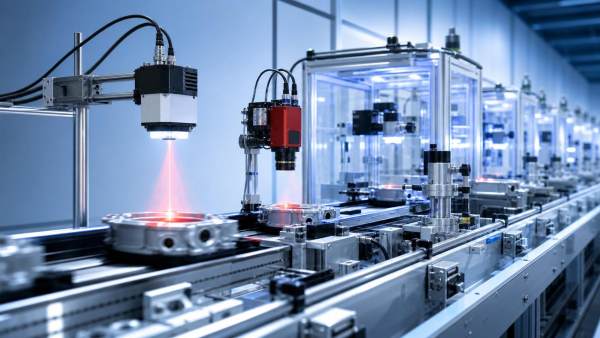
In high-speed manufacturing, defects rarely wait for end-of-line inspection to become costly. For quality control and safety teams, precision sensing turns production lines into real-time detection networks.
It captures subtle dimensional shifts, temperature anomalies, acoustic signals, and material inconsistencies before they escalate into scrap, downtime, or safety events.
By combining advanced sensors with automation and analytics, precision sensing strengthens inline defect detection across discrete, process, and high-reliability industries.
How precision sensing defines modern inline inspection
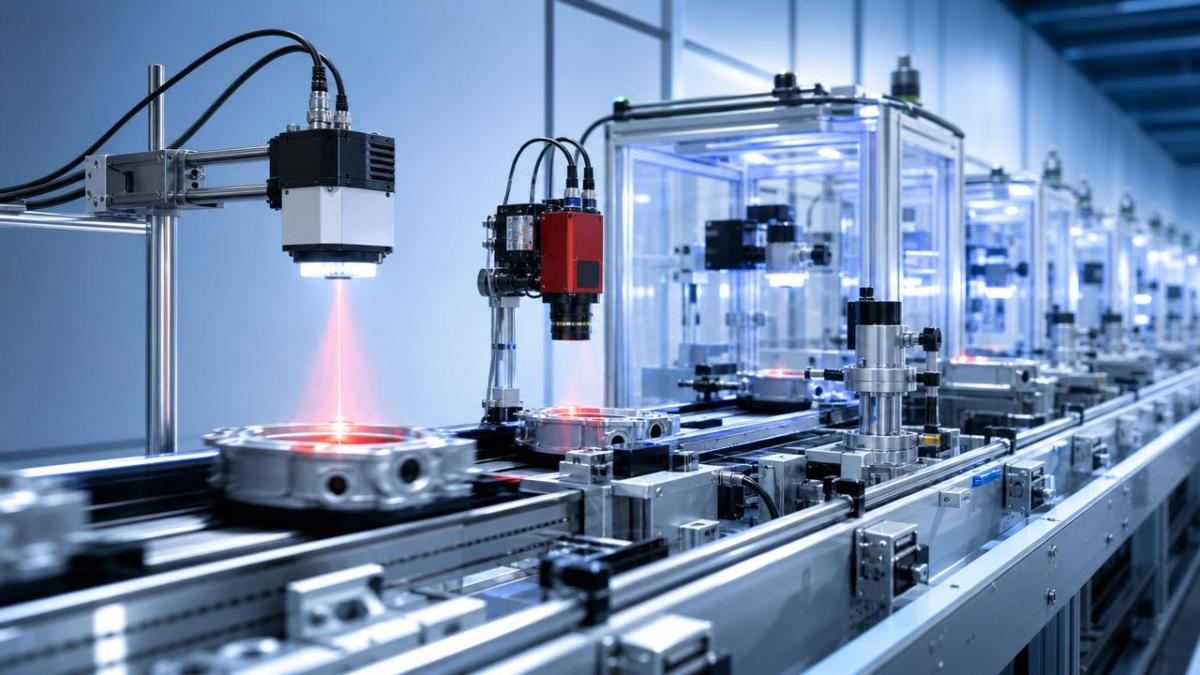
Precision sensing refers to measurement technologies that detect small physical, thermal, acoustic, optical, pressure, or electromagnetic changes with stable repeatability.
In inline defect detection, these signals are captured during production, not after the product has already reached final inspection.
The core value is timing. A defect detected early can be isolated, traced, and corrected before it contaminates downstream operations.
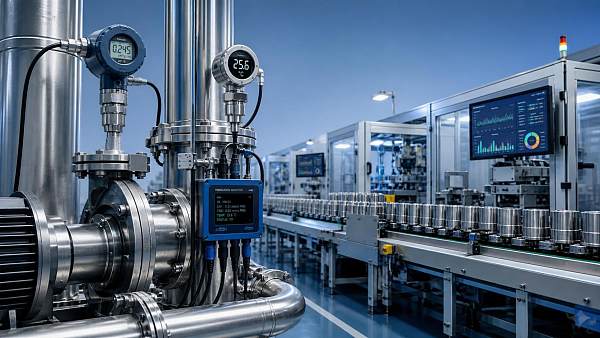
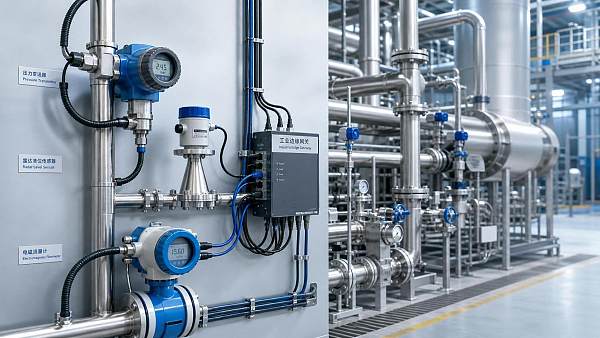
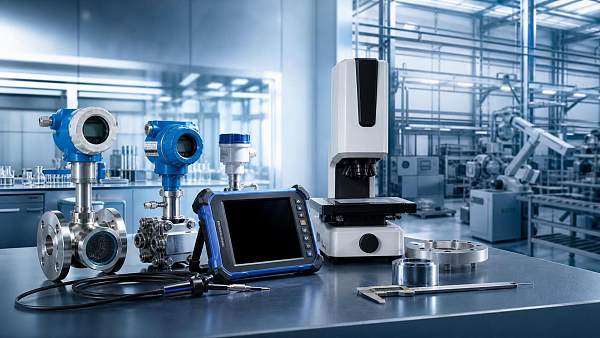
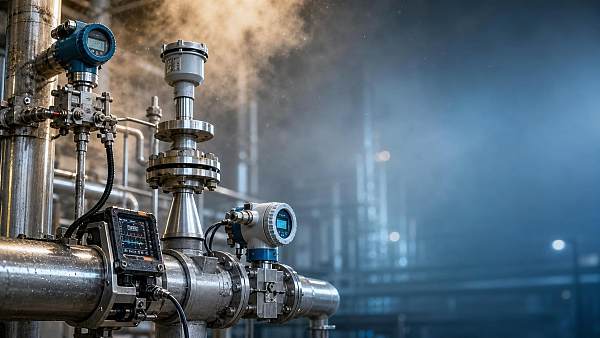
A precision sensing network may include laser displacement sensors, vision systems, ultrasonic probes, thermal cameras, flow meters, pressure transmitters, and optical metrology devices.
These devices act as tactile and visual nerves for industrial equipment, converting weak physical signals into usable production intelligence.
Unlike manual checks, precision sensing can monitor every part, weld, coating, batch, or fluid stream under consistent conditions.
This makes it essential for Industry 4.0 systems, digital twins, predictive maintenance, and closed-loop process control.
Industry background and current detection pressures
Manufacturing lines are faster, materials are more advanced, and tolerances are tighter than previous inspection models were designed to handle.
A small flaw in a battery weld, semiconductor layer, composite panel, or pressure vessel can create serious downstream risk.
Precision sensing is gaining attention because traditional sampling cannot fully represent dynamic production behavior.
Modern factories also need evidence. Traceable sensor data supports compliance, root-cause analysis, and supplier quality discussions.
These signals are not isolated data points. Their value increases when synchronized with machine state, recipe, tooling, and environmental data.
Business value of precision sensing in inline defect detection
The business case for precision sensing starts with defect containment. Earlier detection reduces the number of affected units.
When a drift is detected at the source, the line can adjust settings before producing large volumes of nonconforming material.
Precision sensing also improves yield by distinguishing real defects from harmless variation. This reduces false rejects and unnecessary rework.
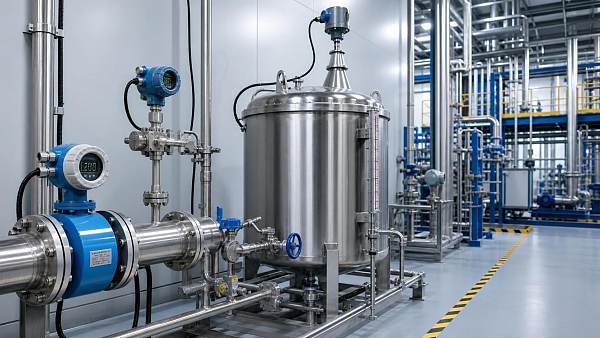
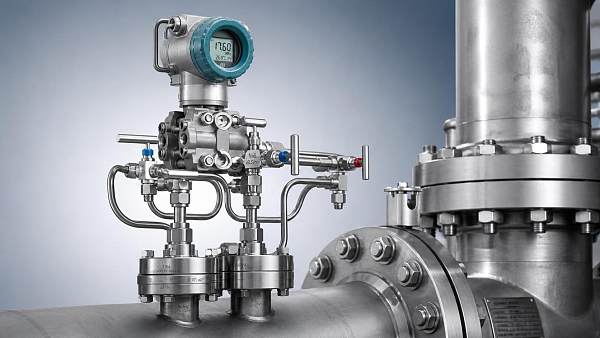
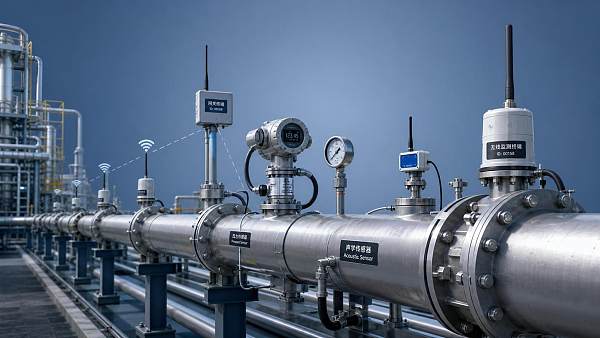
For process industries, accurate flow, level, temperature, and pressure signals protect product consistency and plant safety.
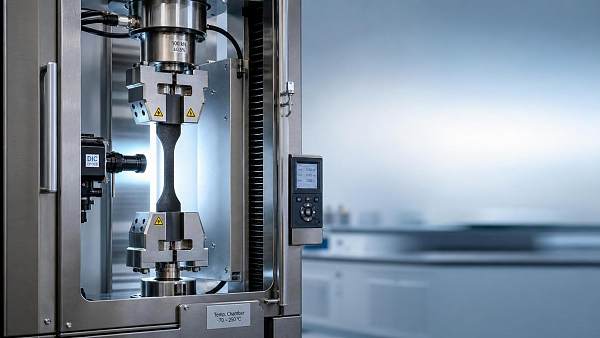
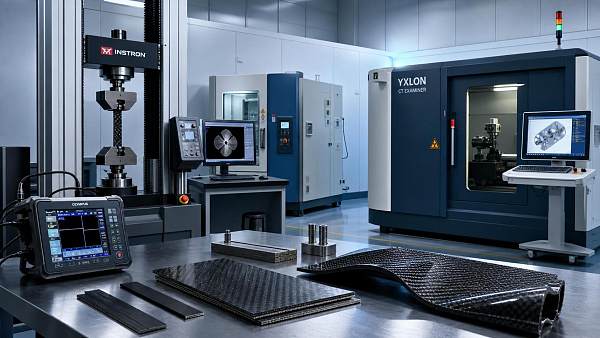
For heavy industry, NDT-based precision sensing reveals hidden fatigue cracks, porosity, delamination, and bonding defects without damaging parts.
For electronics and semiconductors, optical precision sensing identifies contamination, pattern deviation, surface scratches, and wafer profile changes.
The strongest value appears when sensor outputs feed analytics models. Patterns then become early warnings, not historical records.
- Lower scrap through immediate deviation detection.
- Higher equipment uptime through condition monitoring.
- Improved compliance through traceable inspection records.
- Faster root-cause analysis through synchronized data.
- Safer operations through early abnormal-state recognition.
In this sense, precision sensing is not only an inspection upgrade. It is a production intelligence layer.
Typical inline applications across industrial environments
Precision sensing can be applied wherever defects have measurable physical signatures. The method depends on the material, speed, and defect type.
Each application requires careful sensor placement. Even advanced precision sensing can fail if the measurement window misses the defect signature.
For moving parts, exposure time, vibration isolation, trigger accuracy, and lighting stability strongly influence inspection reliability.
For harsh process plants, corrosion, pressure, dust, steam, and electromagnetic noise must be considered during instrument selection.
Data integration makes sensor signals actionable
Precision sensing improves detection only when raw signals become decisions. This requires integration with automation and quality systems.
A laser sensor may detect thickness drift, but the line must know whether to adjust, alarm, reject, or continue monitoring.
This is where edge computing, PLC logic, Industrial Ethernet, and manufacturing execution systems become important.
A practical architecture often includes sensor acquisition, signal conditioning, feature extraction, threshold logic, data storage, and visualization.
AI models can add value when defects are complex, variable, or visually difficult for rule-based algorithms.
For example, deep learning can classify industrial CT images, weld images, and surface textures with high consistency.
However, AI does not replace measurement discipline. Calibration, reference standards, and controlled datasets remain essential.
The strongest systems combine precision sensing hardware, domain knowledge, statistical process control, and explainable defect criteria.
Practical selection criteria for reliable deployment
Selecting precision sensing equipment should begin with the defect, not the sensor catalog. Define what must be detected first.
Important parameters include defect size, location, material behavior, line speed, environment, acceptable false alarm rate, and data latency.
- Map critical defects to measurable signals.
- Validate sensor resolution against tolerance limits.
- Check repeatability under real production conditions.
- Confirm communication compatibility with control systems.
- Plan calibration, maintenance, and reference checks.
- Test detection logic with known good and bad samples.
Environmental robustness is often underestimated. A sensor that works in a laboratory may drift near heat, oil mist, vibration, or dust.
For critical applications, precision sensing should be assessed with gauge repeatability, reproducibility studies, and periodic uncertainty reviews.
Documentation also matters. Inspection limits, alarm rules, calibration intervals, and software versions should remain traceable.
Implementation practices that reduce false alarms
False alarms weaken trust in inline inspection. Missed defects are worse. Precision sensing programs must balance sensitivity and stability.
Start with baseline data from stable production. This establishes normal variation before alarm thresholds are defined.
Use golden samples, calibrated artifacts, or controlled defect samples to test whether the system detects meaningful variation.
Avoid relying on one signal when the defect is multidimensional. Combine optical, thermal, acoustic, or pressure data when necessary.
Sensor fusion can reveal defects that remain ambiguous in a single measurement channel.
It is also useful to connect defect events with upstream equipment states, tool changes, raw material lots, and environmental conditions.
This turns precision sensing from a pass-fail mechanism into a root-cause discovery system.
Strategic relevance for smart manufacturing
As digital twins become more common, production models need trusted physical data. Precision sensing provides that connection.
A digital twin without accurate sensor feedback can only simulate assumptions. With inline data, it can reflect real process behavior.
This supports predictive maintenance, energy optimization, quality forecasting, and adaptive process control.
In regulated or safety-critical industries, trusted measurement data also improves audit readiness and technical credibility.
The same principle applies across industrial metrology, NDT, optical microscopy, and material testing.
When precision sensing captures the true state of materials and machines, decisions become faster and more defensible.
Next steps for building an inline detection roadmap
A practical roadmap should begin with the highest-cost defects and the production points where they first become detectable.
Prioritize processes where inline detection can prevent downstream loss, safety exposure, or expensive final inspection failures.
Then match each defect mode with a validated precision sensing method and a clear decision rule.
Pilot projects should measure detection accuracy, false alarm rates, integration effort, maintenance needs, and return on quality improvement.
The final goal is not simply more sensors. The goal is reliable industrial perception at the point of risk.
With disciplined implementation, precision sensing helps production lines see earlier, react faster, and operate with stronger confidence.
For teams advancing metrology, NDT, optical inspection, or process automation, the next step is a focused defect-signal assessment.
That assessment can define where precision sensing delivers the clearest improvement in quality, safety, compliance, and operational resilience.
Related Intelligence
 Universal Testing MachinesSep 02, 2026How to Choose Programmable Extreme Environment Testing for Material QualificationProgrammable extreme environment testing: learn how to select reliable systems for material qualification, precise control, traceable data, and real-world failure analysis.
 Nanoindentation TestersSep 01, 2026Which ISO Standards Guide Polymer Crystal Analysis for Reliable Material Testing?ISO polymer crystal analysis: discover which ISO standards support reliable DSC testing, crystallinity evaluation, melting behavior, and material performance decisions.
 Wireless IIoT NodesAug 31, 2026What Data Does Industry 4.0 Need for Reliable Production Analytics?Industry 4.0 data needs analytics built on trustworthy process, condition, quality, and material data. Discover how traceable measurements power reliable production decisions.
 Wireless IIoT NodesAug 30, 2026Selecting Process Control Sensors for European Plants: Standards, Accuracy, and IIoT IntegrationProcess control sensors Europe: learn how to select compliant, accurate, IIoT-ready instruments for safer, more reliable plant operations.
 Commercial InsightsAug 29, 2026Pressure Measurement in Latin America: Growth Drivers and Demand by IndustryPressure measurement Latin America: explore growth drivers, industry demand, digitalization, and supplier insights for energy, mining, water, and process industries.
 Wireless IIoT NodesAug 28, 2026Industrial Sensing for Process Plants: A Practical Guide to Measurement PointsIndustrial sensing guide for process plants: learn how to select reliable flow, level, pressure, temperature, and condition-monitoring measurement points.
 Universal Testing MachinesAug 27, 2026How to Select Material Testing Equipment for Rubber Across Tensile and Fatigue TestsMaterial testing equipment for rubber: learn how to select tensile and fatigue systems with the right grips, sensors, controls, and environmental options for reliable results.
 Silicon Pressure TransmittersAug 26, 2026How to Select High Pressure Instrumentation for Corrosive and High-Temperature ServiceHigh pressure instrumentation selection for corrosive, high-temperature service: learn how to compare materials, seals, temperature limits, and installation risks for safer, longer-lasting performance.
 RTD/Thermocouple Sensors)Aug 25, 2026How to Choose High Precision Stainless Steel Sensors for Corrosive Industrial EnvironmentsHigh precision sensors stainless steel selection guide for corrosive industrial environments. Learn how to compare materials, seals, stability, and outputs for reliable long-term performance.
 Commercial InsightsAug 24, 2026How to Evaluate Industrial Measurement Equipment Suppliers in Latin America?Industrial measurement equipment Latin America buyers can learn how to compare suppliers by accuracy, certification, service, and logistics to reduce risk and source with confidence.
 Commercial InsightsAug 23, 2026How to Improve Process Plant Reliability in Extreme Environments?Extreme environment adaptability for process plants starts with reliable sensing, smart materials, and targeted inspection. Learn practical ways to reduce downtime and boost uptime.
 Universal Testing MachinesAug 22, 2026How to Select Material Testing Solutions for Composites in Aerospace and AutomotiveMaterial testing solutions for composites: learn how aerospace and automotive teams choose the right mix of mechanical, NDT, and durability tests to cut risk and speed approval.
 Wireless IIoT NodesAug 21, 2026How to Evaluate Wireless Pipeline Monitoring Systems for Remote Leak Detection?Wireless pipeline monitoring systems: learn how to evaluate leak detection accuracy, false alarms, wireless reliability, integration, and lifecycle fit before choosing a solution.