What risks matter most when selecting NDT equipment?
Selecting NDT equipment is not just a procurement decision—it is a risk-control decision that directly affects inspection accuracy, asset safety, compliance, and long-term maintenance costs. For quality control and safety managers, the biggest risks often hide beyond the datasheet: inadequate defect detection capability, poor data traceability, operator complexity, calibration uncertainty, and limited adaptability to harsh industrial environments. Understanding these factors early helps teams choose reliable NDT equipment that supports safer operations, stronger inspection confidence, and smarter predictive maintenance.
Why NDT equipment risk starts before the first inspection
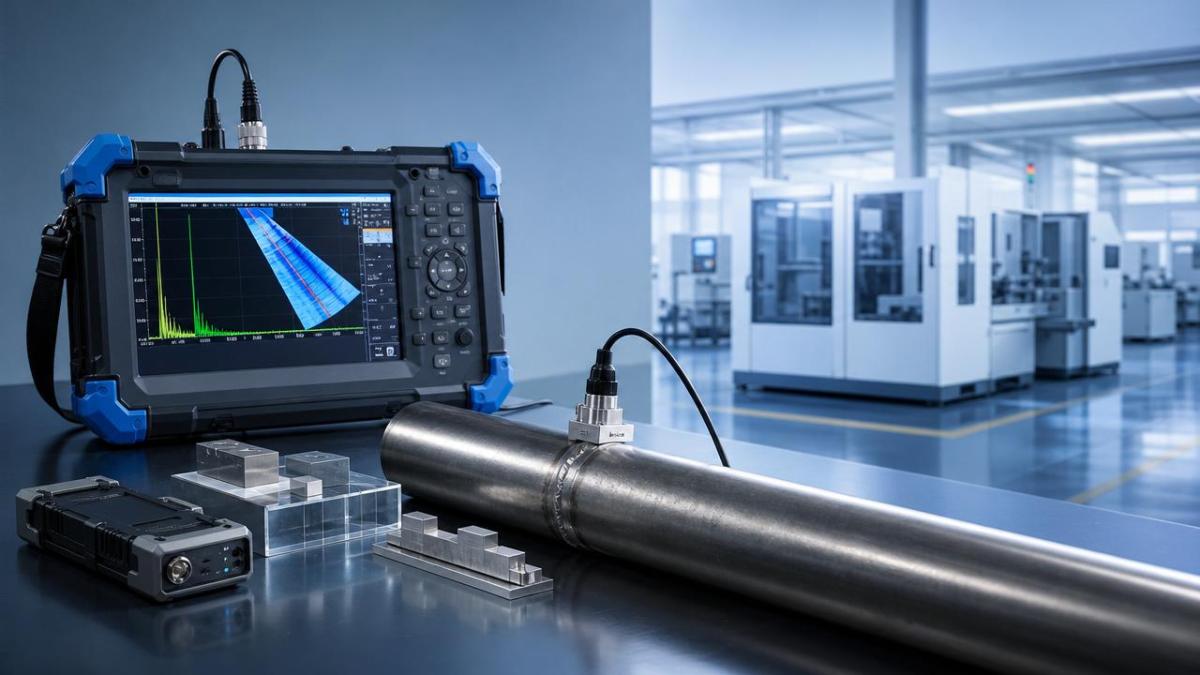
In aerospace, energy, rail, petrochemical, shipbuilding, casting, and advanced manufacturing, defects are rarely convenient. They may sit under coatings, inside weld roots, near heat-affected zones, or within complex composite layers.
That is why NDT equipment must be evaluated as part of a wider quality and safety system. The instrument, probe, software, calibration block, inspection procedure, and operator skill all influence the final decision.
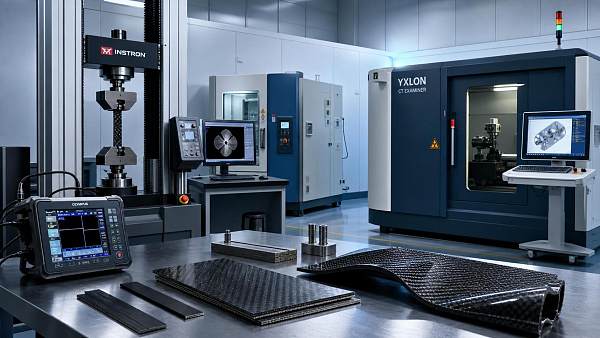
PIAS views NDT equipment as one of the “X-ray machines” of heavy industry. It translates invisible acoustic, optical, radiographic, magnetic, and electromagnetic signals into evidence that managers can trust.
The three procurement questions that matter most
- Can the selected NDT equipment detect the smallest critical flaw under real surface, geometry, and access conditions?
- Can inspection data be stored, reviewed, audited, and connected with maintenance or digital twin systems?
- Can the equipment remain stable when operators face heat, dust, vibration, tight schedules, and regulatory pressure?
A low initial price may look attractive, but missed defects, repeated inspections, downtime, and rejected audit records often cost more than the instrument itself.
Which inspection risks should quality and safety managers rank first?
The most important risks depend on component criticality, material type, inspection frequency, and legal exposure. Still, several risk categories appear repeatedly across general industry.
The following table helps procurement teams compare core risk factors before requesting quotations for NDT equipment, probes, accessories, and software modules.
This risk view prevents teams from comparing NDT equipment only by purchase price. It also clarifies whether a supplier can support inspection reliability, not just deliver hardware.
How to match NDT equipment to real inspection scenarios
No single method solves every defect problem. Ultrasonic testing, phased array ultrasonic testing, radiographic testing, industrial CT, eddy current testing, magnetic particle testing, and visual inspection each have limits.
Quality managers should define the defect type first, then select NDT equipment. Starting with the instrument instead of the inspection objective usually creates expensive mismatches.
Scenario-based comparison for practical selection
Use the table below as an early screening tool when deciding which NDT equipment category deserves technical evaluation or field trials.
The best NDT equipment shortlist is usually method-specific and risk-specific. A pipeline integrity team, a turbine blade manufacturer, and a rail maintenance workshop should not use identical criteria.
Which technical parameters deserve deeper review?
Datasheets are useful, but they often emphasize maximum specifications instead of practical inspection performance. Safety managers should ask how the parameter behaves under normal production pressure.
Parameters that influence inspection confidence
- Resolution and sensitivity determine whether the NDT equipment can separate small indications from noise, geometry echoes, or material grain structure.
- Penetration capability matters when inspecting thick welds, dense castings, composite laminates, or components with limited access.
- Sampling rate, channel count, encoder support, and scan coverage affect productivity and repeatability in high-volume inspection.
- Calibration functions, reference standards, and temperature compensation influence confidence during shift changes or field deployment.
- Software analytics, defect recognition, and reporting tools help convert raw signals into documented decisions for maintenance teams.
PIAS follows these parameters through the lens of industrial data credibility. In an Industry 4.0 environment, NDT equipment should feed reliable evidence into quality systems, not produce isolated screenshots.
Do not ignore the measurement chain
A powerful instrument can still produce weak results if probes, cables, couplants, fixtures, reference blocks, or software settings are poorly matched to the application.
For repeat inspections, procurement teams should request a complete measurement-chain review. This includes acceptance criteria, calibration intervals, data naming rules, and report templates.
What compliance and traceability risks affect acceptance?
Compliance risk is not limited to certificates. It includes whether inspection records can satisfy internal audits, customer quality agreements, regulatory expectations, and accident investigations.
NDT equipment used for critical assets should align with recognized practices such as ISO, ASTM, ASME, EN, NAS, or industry-specific procedures where applicable.
Traceability checklist before purchase
- Confirm whether the equipment stores raw inspection data, not only final images or compressed summary files.
- Check whether calibration records include date, operator, reference block, probe, settings, and acceptance limits.
- Verify whether user access controls prevent unauthorized parameter changes during production inspection.
- Review export compatibility with quality management systems, maintenance platforms, or digital twin databases.
- Ask whether software updates may affect validated procedures, report formats, or historical data access.
For safety managers, traceability is a defensive layer. If a component later fails, the organization must explain not only the decision, but also how that decision was produced.
How should budget, lifecycle cost, and alternatives be compared?
Budget pressure is real, especially when multiple sites need equipment upgrades. However, the cheapest NDT equipment may create hidden costs in training, downtime, calibration, and reinspection.
A lifecycle view is more useful than a purchase-price view. Teams should compare ownership costs against risk reduction, inspection throughput, and data usability.
Cost drivers that are often missed
Before signing a purchase order for NDT equipment, review the following cost factors with operations, maintenance, IT, and safety stakeholders.
In some cases, outsourcing specialized inspection is sensible. For recurring inspections, however, owning the right NDT equipment can improve scheduling control and data consistency.
What implementation process reduces procurement failure?
Implementation should begin before the equipment arrives. The strongest teams treat selection, validation, training, and data governance as one continuous project.
A practical rollout sequence
- Define the inspection risk: material, thickness, defect type, acceptance code, access condition, and production takt time.
- Shortlist NDT equipment based on method suitability, detection confidence, reporting needs, and environmental constraints.
- Run sample-part trials using representative flaws, surface conditions, geometries, and operator skill levels.
- Validate procedures with quality, safety, maintenance, and customer representatives where required.
- Train operators, lock critical settings, define review responsibilities, and schedule calibration checks.
- Connect inspection records with asset history, corrective actions, and predictive maintenance indicators.
This sequence reduces the chance that new NDT equipment becomes underused, misused, or rejected by auditors after installation.
FAQ: procurement questions about NDT equipment risk
How do I know whether NDT equipment can detect our critical defect size?
Ask for evidence using representative samples, artificial reflectors, or known defects that match your material and geometry. Datasheet sensitivity alone is not enough for safety-critical decisions.
Is advanced NDT equipment always better than conventional equipment?
Not always. Phased array, industrial CT, and automated systems add capability, but they also require procedure control, data handling, and skilled interpretation. Fit matters more than complexity.
What should be checked when inspection teams work in harsh environments?
Review operating temperature, screen visibility, cable durability, ingress protection, battery endurance, glove-friendly controls, and the ability to maintain calibration in the field.
How can NDT equipment support predictive maintenance?
Consistent inspection records reveal defect growth, corrosion trends, and recurring failure locations. When data is structured, maintenance teams can prioritize interventions before shutdowns become unavoidable.
Why choose PIAS for NDT equipment intelligence and selection support?
PIAS connects industrial metrology, NDT science, optical observation, and material testing intelligence into one decision framework. This helps managers see beyond isolated product claims.
Our Strategic Intelligence Center tracks metrology regulation shifts, high-end instrument supply risks, AI defect recognition trends, industrial CT image analysis, and predictive maintenance demand.
For quality control and safety teams, PIAS can support NDT equipment discussions around parameter confirmation, method comparison, application suitability, delivery planning, calibration expectations, certification requirements, sample testing, and quotation preparation.
If your team is comparing NDT equipment for weld inspection, corrosion monitoring, casting evaluation, aerospace components, or digital inspection traceability, consult PIAS before finalizing the shortlist.
A clear risk map today can prevent inaccurate inspection decisions tomorrow. PIAS helps transform invisible signals into credible industrial evidence: Visioning Physical Boundaries, Intelligence Precisely Perceived.
Related Intelligence
 Universal Testing MachinesSep 02, 2026How to Choose Programmable Extreme Environment Testing for Material QualificationProgrammable extreme environment testing: learn how to select reliable systems for material qualification, precise control, traceable data, and real-world failure analysis.
 Nanoindentation TestersSep 01, 2026Which ISO Standards Guide Polymer Crystal Analysis for Reliable Material Testing?ISO polymer crystal analysis: discover which ISO standards support reliable DSC testing, crystallinity evaluation, melting behavior, and material performance decisions.
 Wireless IIoT NodesAug 31, 2026What Data Does Industry 4.0 Need for Reliable Production Analytics?Industry 4.0 data needs analytics built on trustworthy process, condition, quality, and material data. Discover how traceable measurements power reliable production decisions.
 Wireless IIoT NodesAug 30, 2026Selecting Process Control Sensors for European Plants: Standards, Accuracy, and IIoT IntegrationProcess control sensors Europe: learn how to select compliant, accurate, IIoT-ready instruments for safer, more reliable plant operations.
 Commercial InsightsAug 29, 2026Pressure Measurement in Latin America: Growth Drivers and Demand by IndustryPressure measurement Latin America: explore growth drivers, industry demand, digitalization, and supplier insights for energy, mining, water, and process industries.
 Wireless IIoT NodesAug 28, 2026Industrial Sensing for Process Plants: A Practical Guide to Measurement PointsIndustrial sensing guide for process plants: learn how to select reliable flow, level, pressure, temperature, and condition-monitoring measurement points.
 Universal Testing MachinesAug 27, 2026How to Select Material Testing Equipment for Rubber Across Tensile and Fatigue TestsMaterial testing equipment for rubber: learn how to select tensile and fatigue systems with the right grips, sensors, controls, and environmental options for reliable results.
 Silicon Pressure TransmittersAug 26, 2026How to Select High Pressure Instrumentation for Corrosive and High-Temperature ServiceHigh pressure instrumentation selection for corrosive, high-temperature service: learn how to compare materials, seals, temperature limits, and installation risks for safer, longer-lasting performance.
 RTD/Thermocouple Sensors)Aug 25, 2026How to Choose High Precision Stainless Steel Sensors for Corrosive Industrial EnvironmentsHigh precision sensors stainless steel selection guide for corrosive industrial environments. Learn how to compare materials, seals, stability, and outputs for reliable long-term performance.
 Commercial InsightsAug 24, 2026How to Evaluate Industrial Measurement Equipment Suppliers in Latin America?Industrial measurement equipment Latin America buyers can learn how to compare suppliers by accuracy, certification, service, and logistics to reduce risk and source with confidence.
 Commercial InsightsAug 23, 2026How to Improve Process Plant Reliability in Extreme Environments?Extreme environment adaptability for process plants starts with reliable sensing, smart materials, and targeted inspection. Learn practical ways to reduce downtime and boost uptime.
 Universal Testing MachinesAug 22, 2026How to Select Material Testing Solutions for Composites in Aerospace and AutomotiveMaterial testing solutions for composites: learn how aerospace and automotive teams choose the right mix of mechanical, NDT, and durability tests to cut risk and speed approval.
 Wireless IIoT NodesAug 21, 2026How to Evaluate Wireless Pipeline Monitoring Systems for Remote Leak Detection?Wireless pipeline monitoring systems: learn how to evaluate leak detection accuracy, false alarms, wireless reliability, integration, and lifecycle fit before choosing a solution.