Why extreme environment sensors fail in real deployments
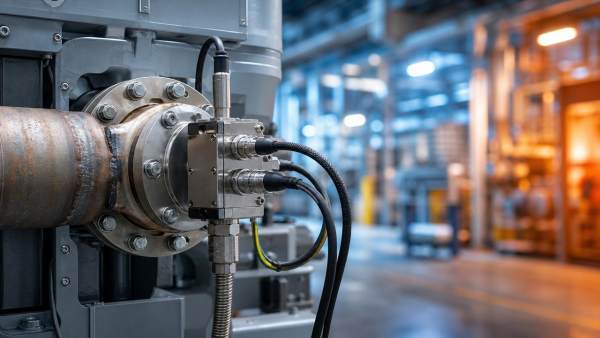
Extreme environment sensors often pass qualification with impressive datasheets, yet many fail after installation. Real plants introduce combined stress, not isolated stress. That gap matters because measurement errors can damage uptime, safety, compliance, and digital transformation programs built on trustworthy field data.
Across process industries, power, aerospace, mining, marine systems, and advanced manufacturing, extreme environment sensors now sit closer to heat, shock, chemicals, dust, and electromagnetic noise than ever before. As Industry 4.0 expands, the weakest sensor often becomes the weakest data link.
Why extreme environment sensors are failing more visibly now
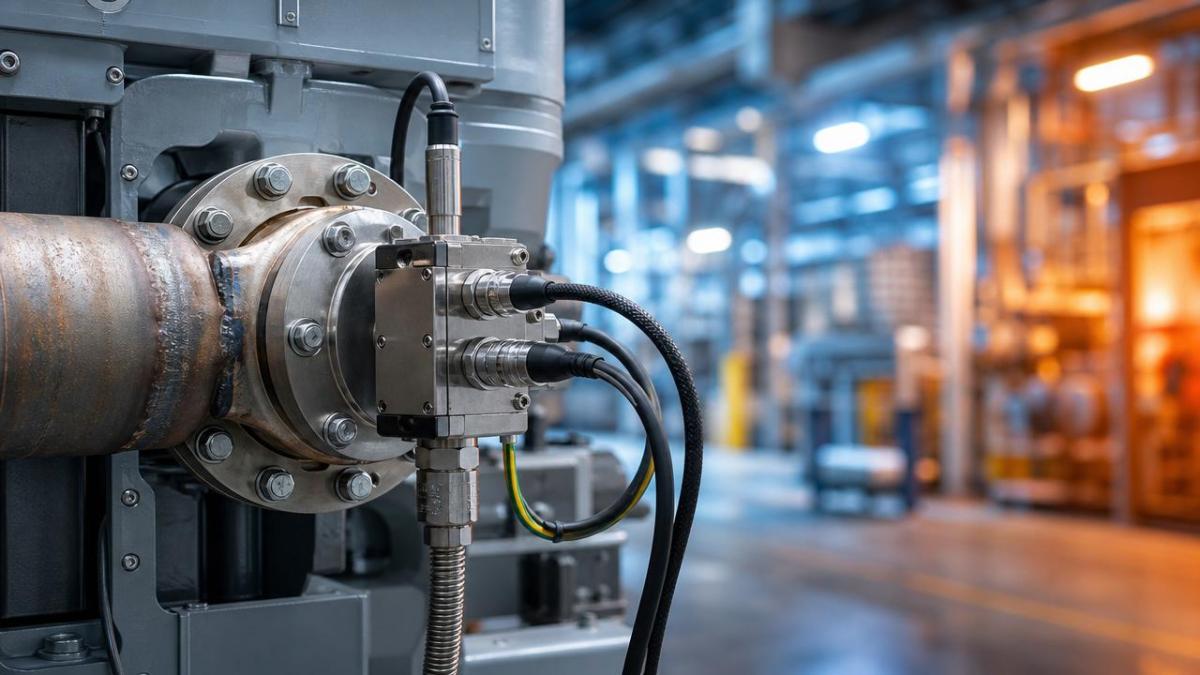
Failure is not always rising in absolute terms. Visibility is rising. Plants now depend on dense instrumentation, edge analytics, wireless links, and predictive maintenance models. That means even small drift in extreme environment sensors becomes visible much faster.
Another shift is operating intensity. Assets run hotter, longer, and under tighter efficiency targets. Hydrogen systems, battery lines, offshore platforms, and high-speed automation all compress safety margins. In these conditions, extreme environment sensors face stacked loads beyond standard validation routines.
PIAS tracks this pattern across industrial metrology, NDT, optical observation, and materials testing. The common lesson is simple: reliable sensing in harsh settings depends less on headline accuracy and more on survivability under interacting stresses.
The main trend signal: laboratory compliance no longer predicts deployment survival
Many extreme environment sensors are tested against single variables. Real deployment combines vibration, pressure pulsation, contamination, thermal shock, cable fatigue, and unstable grounding. The sensor may meet every separate requirement and still fail as a system.
The market is also shifting from periodic inspection to continuous sensing. That increases duty cycle, shortens recovery time, and exposes hidden weaknesses in seals, solder joints, MEMS structures, optical paths, and connector interfaces.
Typical mismatch between spec sheet and field reality
What actually breaks extreme environment sensors in real deployments
The failure drivers are usually cumulative. A sensor rarely dies from one dramatic event. It degrades through repeated stress, then crosses a threshold where output becomes noisy, biased, intermittent, or completely unavailable.
1. Thermal cycling damages more than peak temperature
Extreme environment sensors often survive maximum rated heat. They fail during repeated expansion and contraction. Bond wires, adhesives, ceramic interfaces, potting compounds, and seals age faster when temperature changes rapidly.
2. Vibration and shock create hidden mechanical fatigue
Mounting points, internal diaphragms, optical alignments, and connector pins can loosen or crack. The output may remain within tolerance at first, masking progressive failure until maintenance windows are missed.
3. Corrosive media attack housings, seals, and sensing surfaces
Chemical compatibility tables are often too generic. Trace acids, chlorides, solvents, and cleaning agents can attack elastomers, cable jackets, coatings, and pressure interfaces. Extreme environment sensors then drift before obvious leakage appears.
4. Pressure spikes exceed dynamic, not static, limits
Water hammer, pulsation, cavitation, and fast valve action can overwhelm diaphragms and flow elements. Static pressure ratings look safe, but dynamic shock loads produce fatigue and calibration shift.
5. Signal interference corrupts usable data
Extreme environment sensors may physically survive while failing functionally. Variable frequency drives, poor shielding, grounding faults, and crowded wireless spectrum can distort measurement quality enough to break control logic or analytics models.
6. Installation errors amplify environmental stress
Cable bend radius, impulse line layout, wrong torque, poor thermal isolation, and incorrect bracket stiffness can sharply reduce life. Many failures blamed on products are actually integration failures.
Why this trend affects more than maintenance metrics
When extreme environment sensors degrade, the cost is not limited to replacement. Flow imbalance, false alarms, hidden overheating, poor level control, and unreliable defect detection can spread errors across production, safety, and quality systems.
In digital plants, bad sensor behavior also contaminates models. Predictive maintenance engines, digital twins, and remote diagnostics depend on stable baseline signals. If extreme environment sensors drift silently, software confidence collapses.
- Process control becomes less stable and consumes more energy.
- Inspection systems produce false positives or miss critical defects.
- Calibration intervals shorten, raising labor and downtime pressure.
- Safety instrumented responses may trigger too late or too often.
- Historical data loses value for optimization and compliance analysis.
The strongest drivers behind extreme environment sensor failure trends
Several industry shifts are intensifying the reliability challenge. These drivers explain why extreme environment sensors need a broader evaluation model than simple specification comparison.
- Higher operating efficiency targets increase thermal and pressure stress.
- Wireless retrofits add power constraints and new signal integrity risks.
- Compact equipment layouts expose sensors to stronger vibration zones.
- New media, including hydrogen and aggressive chemistries, expand compatibility demands.
- Longer unattended operation reduces tolerance for intermittent output behavior.
- Cross-platform analytics require cleaner, more consistent raw measurement data.
What deserves closer attention when evaluating extreme environment sensors
A better review process looks beyond nominal accuracy. It examines sensor architecture, packaging, validation methods, and field maintainability under combined stress conditions.
Core checkpoints
- Look for combined-stress testing, not only single-factor certification.
- Verify thermal cycling endurance and drift behavior over time.
- Check material compatibility down to seal, cable, and adhesive level.
- Review dynamic pressure tolerance, not only maximum static rating.
- Assess EMC performance with realistic plant-side interference patterns.
- Examine mounting guidance, connector robustness, and service access.
- Confirm calibration stability after vibration and shock exposure.
- Request failure mode data, not only successful qualification results.
Useful questions during technical review
How to respond before extreme environment sensors fail in service
The most effective response is to treat sensing as a field system, not a component purchase. That means linking specification review, installation discipline, condition monitoring, and periodic validation.
- Map the real stress stack at the installation point.
- Compare that stack against verified combined-stress evidence.
- Use pilot deployments where thermal, vibration, and media risks are highest.
- Track drift, not only hard failures, in early operating months.
- Feed lessons back into mounting, shielding, sealing, and maintenance standards.
For sectors covered by PIAS, this approach supports more reliable flow measurement, pressure and temperature transmission, NDT signal quality, optical metrology stability, and material testing accuracy in severe environments.
A practical next step for better deployment decisions
If extreme environment sensors are central to uptime, safety, or data credibility, start by reviewing one recent field failure or drift event. Rebuild the case around combined stress, installation variables, and signal integrity conditions.
Then create a short evaluation checklist for future projects. Include thermal cycling, dynamic loads, chemical exposure, EMC, connector durability, and calibration retention. That small shift can prevent expensive surprises long before commissioning risk becomes operational loss.
In harsh industrial reality, extreme environment sensors do not fail because sensing is impossible. They fail because real environments are more interactive than laboratory assumptions. Better decisions begin where specification sheets end.
Related Intelligence
 Universal Testing MachinesSep 02, 2026How to Choose Programmable Extreme Environment Testing for Material QualificationProgrammable extreme environment testing: learn how to select reliable systems for material qualification, precise control, traceable data, and real-world failure analysis.
 Nanoindentation TestersSep 01, 2026Which ISO Standards Guide Polymer Crystal Analysis for Reliable Material Testing?ISO polymer crystal analysis: discover which ISO standards support reliable DSC testing, crystallinity evaluation, melting behavior, and material performance decisions.
 Wireless IIoT NodesAug 31, 2026What Data Does Industry 4.0 Need for Reliable Production Analytics?Industry 4.0 data needs analytics built on trustworthy process, condition, quality, and material data. Discover how traceable measurements power reliable production decisions.
 Wireless IIoT NodesAug 30, 2026Selecting Process Control Sensors for European Plants: Standards, Accuracy, and IIoT IntegrationProcess control sensors Europe: learn how to select compliant, accurate, IIoT-ready instruments for safer, more reliable plant operations.
 Commercial InsightsAug 29, 2026Pressure Measurement in Latin America: Growth Drivers and Demand by IndustryPressure measurement Latin America: explore growth drivers, industry demand, digitalization, and supplier insights for energy, mining, water, and process industries.
 Wireless IIoT NodesAug 28, 2026Industrial Sensing for Process Plants: A Practical Guide to Measurement PointsIndustrial sensing guide for process plants: learn how to select reliable flow, level, pressure, temperature, and condition-monitoring measurement points.
 Universal Testing MachinesAug 27, 2026How to Select Material Testing Equipment for Rubber Across Tensile and Fatigue TestsMaterial testing equipment for rubber: learn how to select tensile and fatigue systems with the right grips, sensors, controls, and environmental options for reliable results.
 Silicon Pressure TransmittersAug 26, 2026How to Select High Pressure Instrumentation for Corrosive and High-Temperature ServiceHigh pressure instrumentation selection for corrosive, high-temperature service: learn how to compare materials, seals, temperature limits, and installation risks for safer, longer-lasting performance.
 RTD/Thermocouple Sensors)Aug 25, 2026How to Choose High Precision Stainless Steel Sensors for Corrosive Industrial EnvironmentsHigh precision sensors stainless steel selection guide for corrosive industrial environments. Learn how to compare materials, seals, stability, and outputs for reliable long-term performance.
 Commercial InsightsAug 24, 2026How to Evaluate Industrial Measurement Equipment Suppliers in Latin America?Industrial measurement equipment Latin America buyers can learn how to compare suppliers by accuracy, certification, service, and logistics to reduce risk and source with confidence.
 Commercial InsightsAug 23, 2026How to Improve Process Plant Reliability in Extreme Environments?Extreme environment adaptability for process plants starts with reliable sensing, smart materials, and targeted inspection. Learn practical ways to reduce downtime and boost uptime.
 Universal Testing MachinesAug 22, 2026How to Select Material Testing Solutions for Composites in Aerospace and AutomotiveMaterial testing solutions for composites: learn how aerospace and automotive teams choose the right mix of mechanical, NDT, and durability tests to cut risk and speed approval.
 Wireless IIoT NodesAug 21, 2026How to Evaluate Wireless Pipeline Monitoring Systems for Remote Leak Detection?Wireless pipeline monitoring systems: learn how to evaluate leak detection accuracy, false alarms, wireless reliability, integration, and lifecycle fit before choosing a solution.