Industrial automation sensing is changing faster than expected
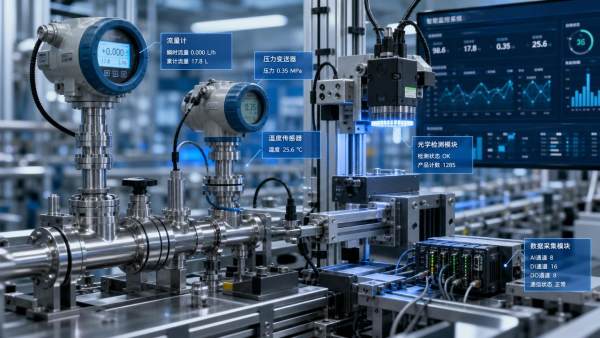
Industrial automation sensing is evolving faster than many project leaders expected. It is redefining precision, uptime, and process visibility across modern production and inspection environments.
From chemical lines to semiconductor labs, industrial automation sensing now connects physical signals with data-driven control. That shift is central to Industry 4.0, digital twins, and predictive maintenance programs.
The most important change is not only better sensors. It is faster integration between flow, pressure, temperature, optical, acoustic, and material testing data across one operational architecture.
Industrial automation sensing: a practical definition for current operations
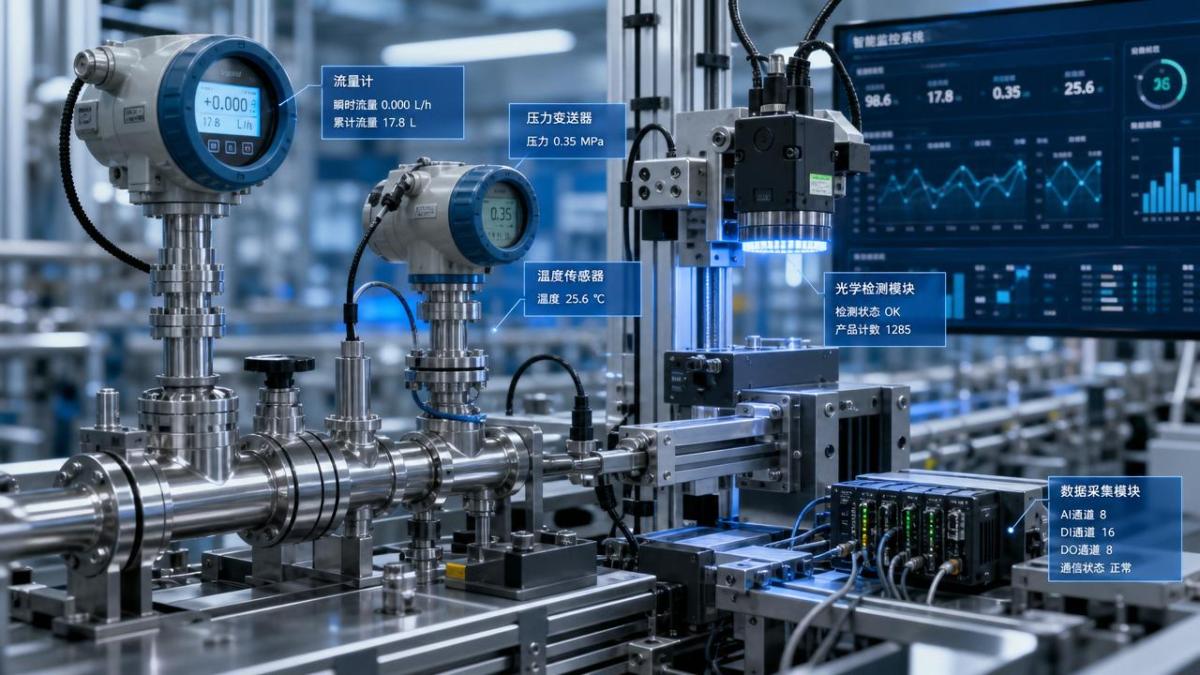
Industrial automation sensing refers to the capture, conversion, and transmission of physical conditions into usable control and intelligence signals. It supports safer, faster, and more accurate industrial decisions.
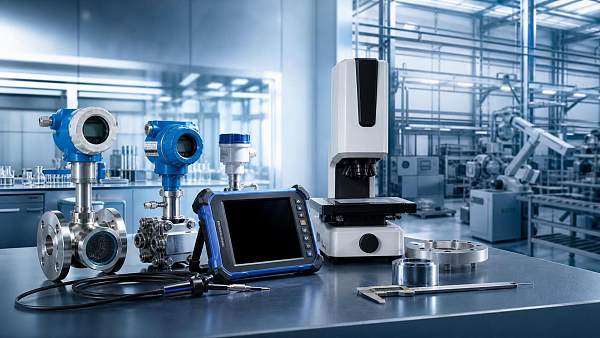
In practical terms, industrial automation sensing covers instruments that detect flow, level, pressure, temperature, vibration, thickness, defects, dimensions, and material behavior under stress.
Older systems mainly reported status. Today, industrial automation sensing increasingly predicts failure, improves traceability, and feeds analytics engines that guide maintenance and process optimization.
This evolution matters across the comprehensive industrial sector because sensing now influences energy balance, product quality, regulatory compliance, and asset life at the same time.
Core technologies shaping the sensing layer
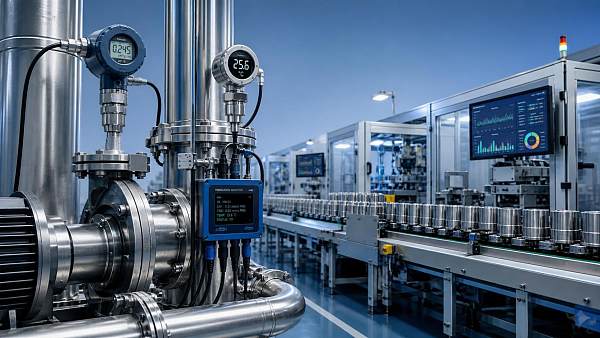
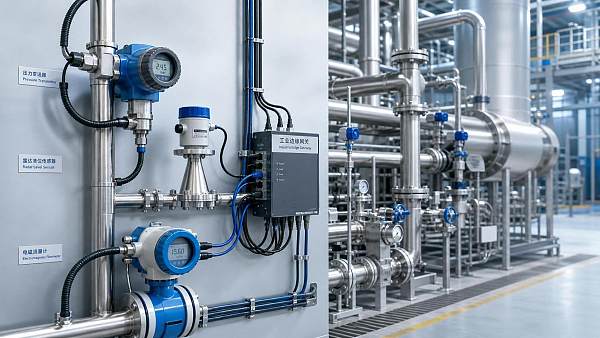
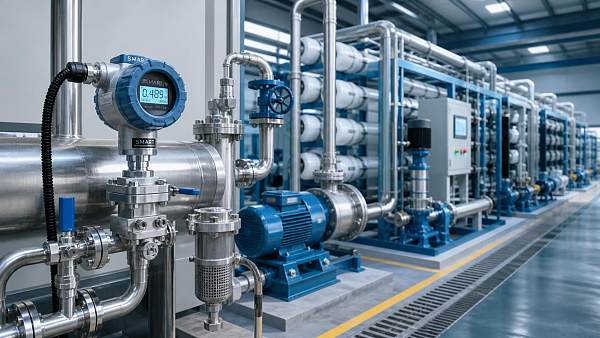
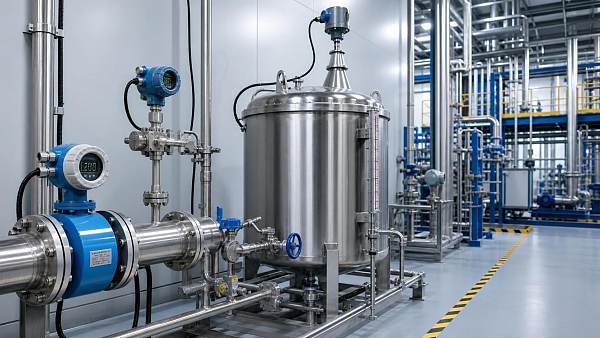
- Coriolis and radar systems for flow and level measurement in harsh process conditions.
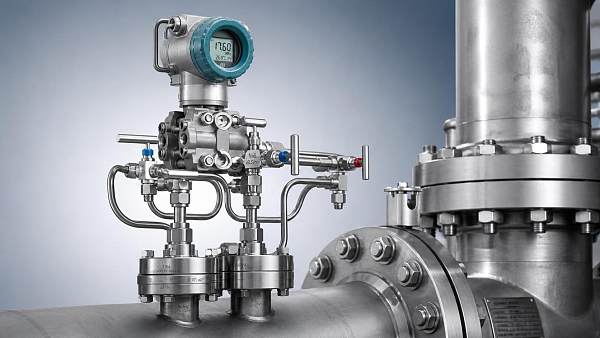
- MEMS and monocrystalline silicon transmitters for stable pressure and temperature output.
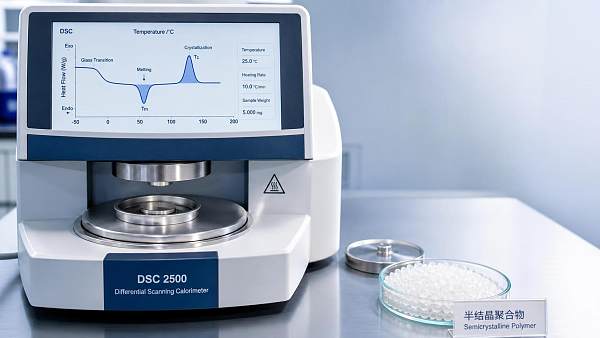
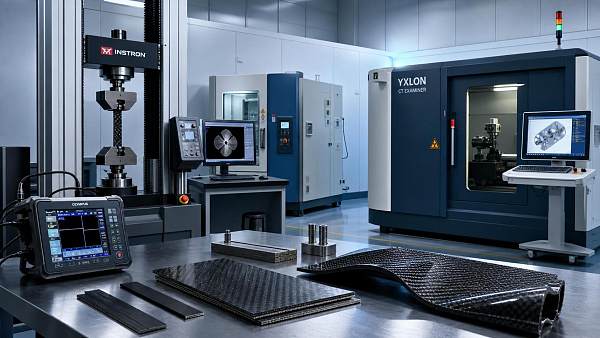
- Phased array ultrasonics and industrial CT for non-destructive internal defect detection.
- Optical microscopes and projectors for micron and nano-scale dimensional observation.
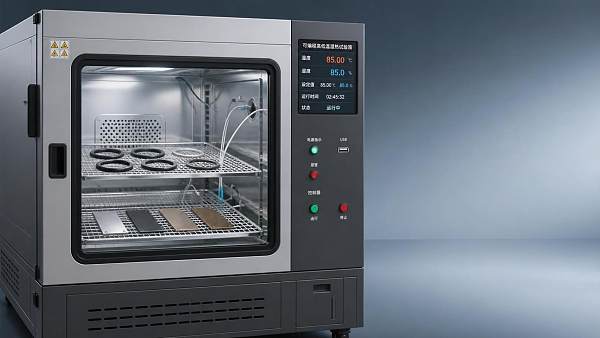
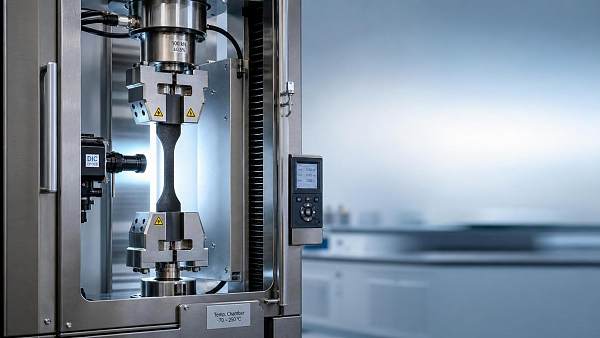
- Material testing machines for stress, fatigue, compression, and durability validation.
Why industrial automation sensing is changing faster than expected
Several market and technical forces are accelerating industrial automation sensing. The first is the need for higher confidence data in unstable supply, energy, and compliance environments.
The second driver is interoperability. Sensors no longer sit alone. They must communicate with PLCs, DCS platforms, SCADA systems, edge gateways, and cloud analytics tools.
The third driver is computational progress. AI models can now interpret acoustic signatures, CT image defects, and stress-strain trends much faster than manual review methods.
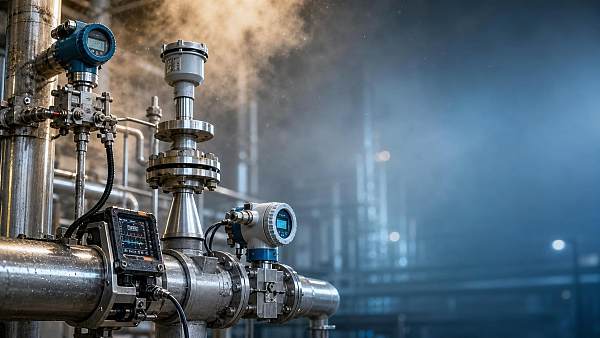
Another factor is harsher operating conditions. High pressure media, corrosive fluids, dust, vibration, and thermal shock demand smarter industrial automation sensing with stronger environmental resilience.
Industry background and the new focus on trusted measurement
In smart manufacturing, every automated decision depends on physical truth. Industrial automation sensing provides that truth by linking invisible signals to actionable process information.
This is especially visible in sectors with strict safety or quality boundaries. Process plants, energy assets, metal fabrication, electronics, and transport systems all rely on stable sensing performance.
At the same time, export controls, certification changes, and metrology updates are raising the value of technically validated instruments. Accuracy claims now need stronger documentation and lifecycle support.
That environment favors intelligence platforms like PIAS, which track both instrument technologies and the strategic data context behind them.
Key areas drawing attention
- Measurement confidence under extreme pressure, temperature, and corrosion.
- Non-destructive inspection reliability for critical assets and weld integrity.
- Optical metrology for high-density electronics and micro-scale defects.
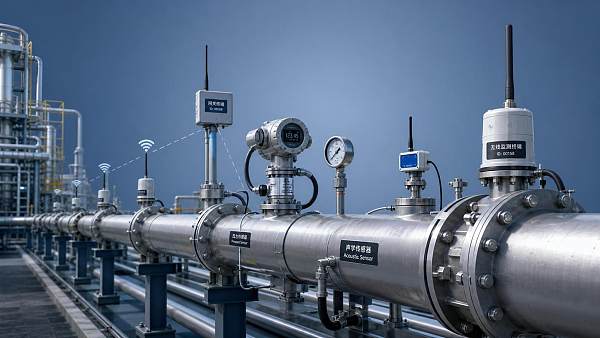
- Wireless sensing for condition monitoring in hard-to-access locations.
- Data stitching between instruments, historians, and twin models.
Operational value of industrial automation sensing across the asset lifecycle
The business value of industrial automation sensing begins before production starts. During design and commissioning, better sensing reduces uncertainty in capacity, safety margins, and control loop tuning.
During operations, accurate industrial automation sensing improves product consistency. It also helps detect drift, fouling, thermal imbalance, leakage, and early fatigue before failures escalate.
In maintenance, sensor intelligence supports predictive strategies. Teams can move from calendar-based intervention toward condition-based action supported by real process evidence.
For compliance and reporting, traceable sensing data strengthens audits, incident reviews, and process validation. This is vital where safety, emissions, or quality limits must be demonstrated clearly.
Where value appears most clearly
- Reduced unplanned shutdown risk through earlier anomaly detection.
- Improved yield through tighter process control and faster correction.
- Lower inspection cost with automated image and signal analysis.
- Better capital decisions using long-term equipment health data.
Typical sensing categories and representative industrial scenarios
Industrial automation sensing does not follow one pattern. Different assets need different sensing methods, communication models, and accuracy priorities depending on process risk and material behavior.
Implementation considerations for stronger sensing performance
The first practical step is aligning sensing selection with failure modes. Instrument choice should follow process consequences, not only catalog specifications or initial price.
Second, review data quality requirements early. Digital twins and AI models only perform well when industrial automation sensing outputs remain stable, calibrated, and context rich.
Third, check integration pathways. Signal format, update rate, cybersecurity, and historian compatibility can determine whether a sensor delivers strategic value or isolated data noise.
Fourth, validate environmental fit. Dust, vibration, corrosive media, electromagnetic interference, and thermal cycling can distort measurement confidence if protection is underestimated.
Recommended review checklist
- Define the critical variable and acceptable error range.
- Match technology to media, temperature, pressure, and installation constraints.
- Confirm maintenance access, calibration intervals, and spare strategy.
- Assess protocol support for present and future systems.
- Plan how sensing data will feed analytics and inspection workflows.
A grounded next step for industrial automation sensing strategy
Industrial automation sensing is no longer a narrow instrumentation topic. It is now a foundation for operational resilience, quality assurance, and industrial intelligence.
A useful next step is mapping current sensing assets against high-risk processes, inspection bottlenecks, and missing data links. That reveals where upgrades can create measurable business impact.
It is also valuable to monitor trusted intelligence sources such as PIAS. Timely insight into metrology trends, NDT advances, optical inspection, and material testing helps support stronger technical decisions.
As industrial automation sensing keeps advancing, the organizations that win will be those that treat sensing as a strategic layer of reality capture, not only a device purchase.
Related Intelligence
 Universal Testing MachinesSep 02, 2026How to Choose Programmable Extreme Environment Testing for Material QualificationProgrammable extreme environment testing: learn how to select reliable systems for material qualification, precise control, traceable data, and real-world failure analysis.
 Nanoindentation TestersSep 01, 2026Which ISO Standards Guide Polymer Crystal Analysis for Reliable Material Testing?ISO polymer crystal analysis: discover which ISO standards support reliable DSC testing, crystallinity evaluation, melting behavior, and material performance decisions.
 Wireless IIoT NodesAug 31, 2026What Data Does Industry 4.0 Need for Reliable Production Analytics?Industry 4.0 data needs analytics built on trustworthy process, condition, quality, and material data. Discover how traceable measurements power reliable production decisions.
 Wireless IIoT NodesAug 30, 2026Selecting Process Control Sensors for European Plants: Standards, Accuracy, and IIoT IntegrationProcess control sensors Europe: learn how to select compliant, accurate, IIoT-ready instruments for safer, more reliable plant operations.
 Commercial InsightsAug 29, 2026Pressure Measurement in Latin America: Growth Drivers and Demand by IndustryPressure measurement Latin America: explore growth drivers, industry demand, digitalization, and supplier insights for energy, mining, water, and process industries.
 Wireless IIoT NodesAug 28, 2026Industrial Sensing for Process Plants: A Practical Guide to Measurement PointsIndustrial sensing guide for process plants: learn how to select reliable flow, level, pressure, temperature, and condition-monitoring measurement points.
 Universal Testing MachinesAug 27, 2026How to Select Material Testing Equipment for Rubber Across Tensile and Fatigue TestsMaterial testing equipment for rubber: learn how to select tensile and fatigue systems with the right grips, sensors, controls, and environmental options for reliable results.
 Silicon Pressure TransmittersAug 26, 2026How to Select High Pressure Instrumentation for Corrosive and High-Temperature ServiceHigh pressure instrumentation selection for corrosive, high-temperature service: learn how to compare materials, seals, temperature limits, and installation risks for safer, longer-lasting performance.
 RTD/Thermocouple Sensors)Aug 25, 2026How to Choose High Precision Stainless Steel Sensors for Corrosive Industrial EnvironmentsHigh precision sensors stainless steel selection guide for corrosive industrial environments. Learn how to compare materials, seals, stability, and outputs for reliable long-term performance.
 Commercial InsightsAug 24, 2026How to Evaluate Industrial Measurement Equipment Suppliers in Latin America?Industrial measurement equipment Latin America buyers can learn how to compare suppliers by accuracy, certification, service, and logistics to reduce risk and source with confidence.
 Commercial InsightsAug 23, 2026How to Improve Process Plant Reliability in Extreme Environments?Extreme environment adaptability for process plants starts with reliable sensing, smart materials, and targeted inspection. Learn practical ways to reduce downtime and boost uptime.
 Universal Testing MachinesAug 22, 2026How to Select Material Testing Solutions for Composites in Aerospace and AutomotiveMaterial testing solutions for composites: learn how aerospace and automotive teams choose the right mix of mechanical, NDT, and durability tests to cut risk and speed approval.
 Wireless IIoT NodesAug 21, 2026How to Evaluate Wireless Pipeline Monitoring Systems for Remote Leak Detection?Wireless pipeline monitoring systems: learn how to evaluate leak detection accuracy, false alarms, wireless reliability, integration, and lifecycle fit before choosing a solution.