Digital Twins Instrumentation: Data, Sensors, and Integration Needs
Digital Twins Instrumentation Starts With Trustworthy Industrial Signals
Digital Twins instrumentation is the bridge between physical assets and virtual models that must behave like the real world.
Its value becomes clear when predictive maintenance, process optimization, and quality assurance depend on measurement confidence rather than assumptions.
A digital twin is only as reliable as the signals feeding it. Poor data can create elegant dashboards and misleading decisions.
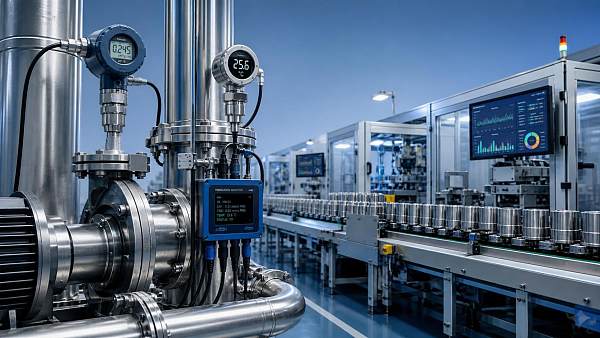
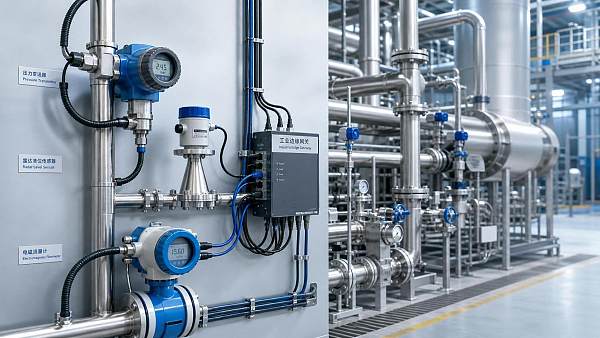
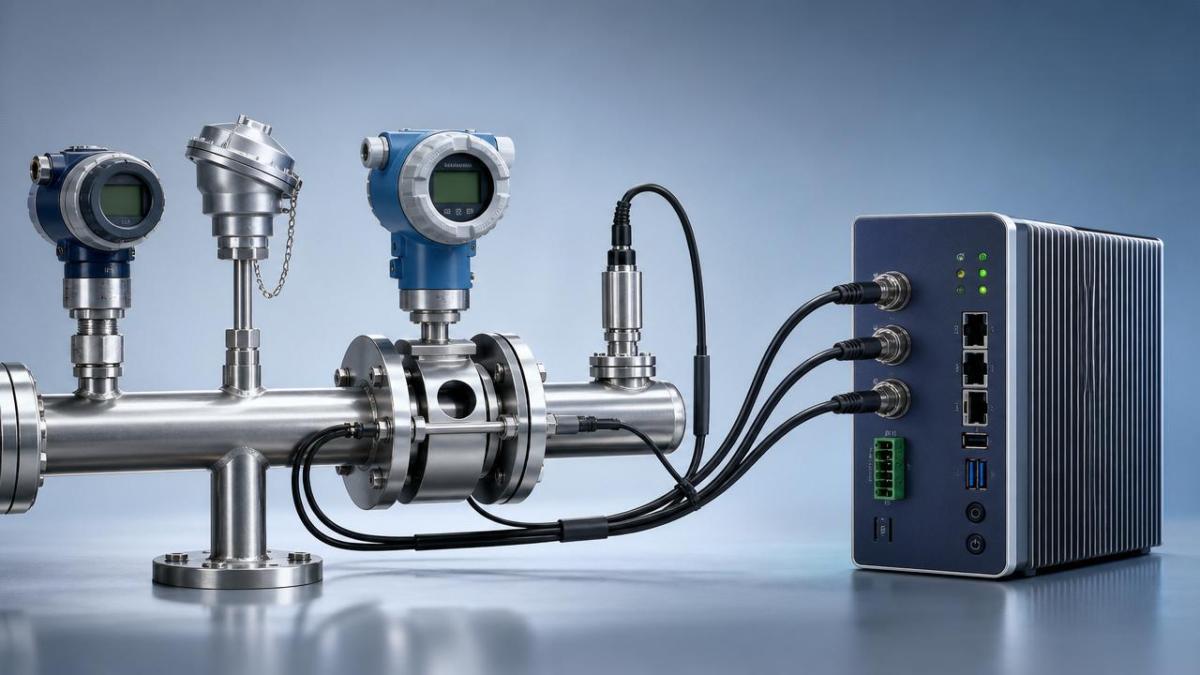
A typical architecture links sensors, meters, inspection systems, calibration records, edge devices, networks, and analytics platforms.
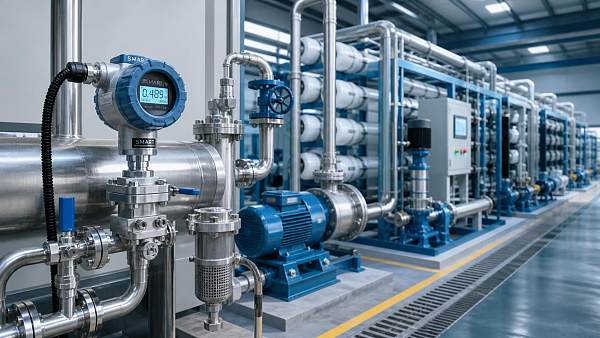
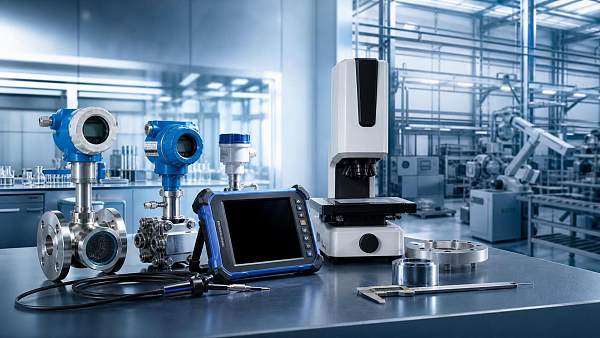
The following view reflects the core relationship between physical measurement, data processing, and virtual industrial intelligence.
For industrial metrology, NDT, optical observation, and material testing, Digital Twins instrumentation is not a single product category.
It is a measurement ecosystem that turns deformation, acoustic echoes, optical images, pressure changes, and flow behavior into usable intelligence.
Why Measurement Quality Now Defines Digital Twin Value
Many digital twin projects begin with software ambition, then discover that the physical layer is the harder constraint.
A model can simulate vibration, corrosion, thermal stress, or production drift only when real measurements are credible.
This is why Digital Twins instrumentation receives growing attention across process plants, discrete manufacturing, energy, aerospace, and advanced materials.
The concern is not simply whether data exists. The deeper issue is whether the data is traceable, synchronized, and meaningful.
A flow meter with drift can distort mass balance. A temperature transmitter with slow response can hide thermal events.
An ultrasonic inspection dataset with inconsistent coupling can weaken defect recognition. A microscope image without metadata limits repeatability.
In this context, Digital Twins instrumentation becomes the practical foundation for industrial data credibility.
The Physical Layer Behind a Reliable Virtual Model
A digital twin needs more than sensor readings. It needs context around how, when, where, and why measurements were generated.
Industrial instruments act as the tactile and visual nerves of machinery, pipelines, materials, and production environments.
Digital Twins instrumentation normally includes several measurement families, each shaping a different part of operational reality.
Digital Twins instrumentation should preserve both raw evidence and processed outputs wherever practical.
This helps later verification when models, algorithms, or operating conditions change.
Data Accuracy Is Not the Only Requirement
Accuracy is important, but it is not enough to judge Digital Twins instrumentation.
A sensor may be accurate in a laboratory yet unstable under vibration, heat, dust, humidity, or electromagnetic interference.
A radar level meter may need to maintain reliable echoes in dusty silos or turbulent chemical vessels.
A Coriolis meter may face high pressure, corrosion, multiphase behavior, or hydrogen service conditions.
A phased array ultrasonic system may require consistent scanning procedures to support comparable defect datasets.
For Digital Twins instrumentation, data quality usually depends on several connected attributes.
- Measurement uncertainty and calibration traceability across the full operating range.
- Signal stability during shock, vibration, temperature cycling, and chemical exposure.
- Sampling rate and response time matched to the physical event being modeled.
- Metadata quality, including instrument status, location, configuration, and inspection conditions.
- Time synchronization between different measurement channels and control systems.
These details decide whether a twin reflects true asset behavior or only a simplified operational picture.
Sensors, Meters, and Inspection Systems Need Different Integration Thinking
Not every instrument integrates into a digital twin in the same way.
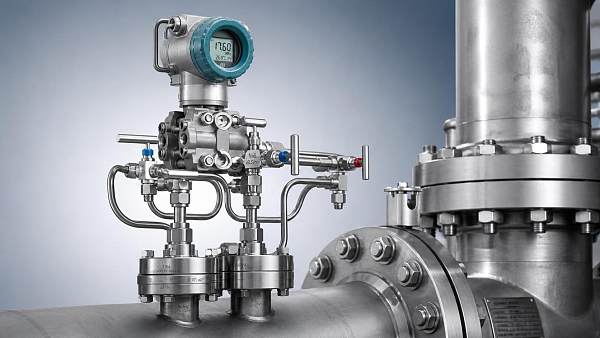
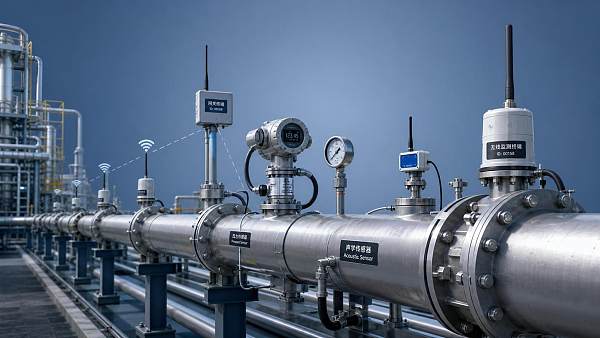
Continuous process transmitters often supply streaming signals through 4-20mA, HART, fieldbus, or Industrial Ethernet.
NDT equipment may generate large files, images, waveforms, and interpreted defect maps after scheduled inspection.
Optical metrology systems may produce high-resolution 3D profiles, micrographs, and dimensional reports with strict lighting dependencies.
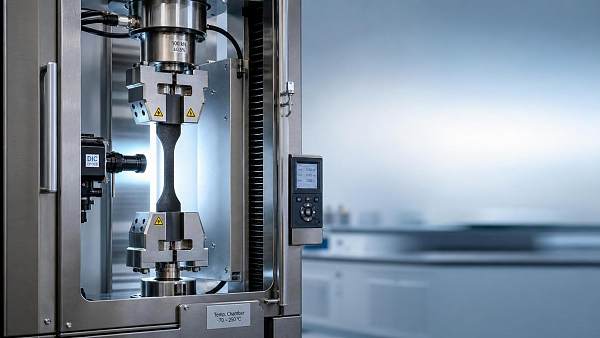
Material testing systems often contribute validated curves used to calibrate simulation models and performance thresholds.
This difference matters because Digital Twins instrumentation must serve both real-time awareness and engineering-level verification.
Continuous signals
Pressure, temperature, vibration, flow, and level signals help a twin follow operational state changes.
Latency, noise filtering, diagnostics, and edge preprocessing are central concerns in these applications.
Event-based inspection data
NDT and optical inspection data often describes asset condition at specific moments.
Digital Twins instrumentation should connect these events to asset history, operating load, and maintenance decisions.
Experimental material evidence
Material testing data is frequently used upstream, before full-scale production or deployment.
It helps define safe design limits, fatigue models, and expected degradation paths.
Integration Architecture: Where Many Projects Become Fragile
Digital Twins instrumentation succeeds when data flows from physical devices into models without losing meaning.
This requires more than connecting cables, gateways, or cloud endpoints.
The integration layer must respect data ownership, cybersecurity, protocol compatibility, timestamp precision, and system lifecycle changes.
Legacy equipment adds another challenge. Many plants still rely on proven instruments with limited digital output.
In such cases, retrofitting should avoid corrupting validated control loops or certified safety systems.
A practical integration plan often separates control-critical data from analytics-oriented data.
Edge computing can reduce bandwidth load and detect abnormal signals before they reach enterprise platforms.
However, edge processing must remain transparent enough to support auditability and model improvement.
For Digital Twins instrumentation, integration is a discipline of preserving measurement intent.
What Industry Applications Reveal About Practical Value
The strongest use cases usually combine operational data with condition evidence and engineering models.
In process industries, flow and level instrumentation supports inventory control, emission tracking, and energy balance calculations.
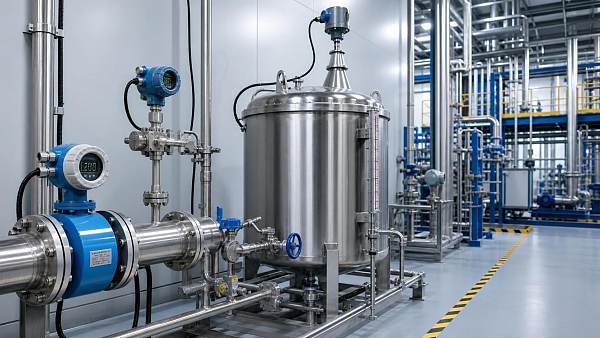
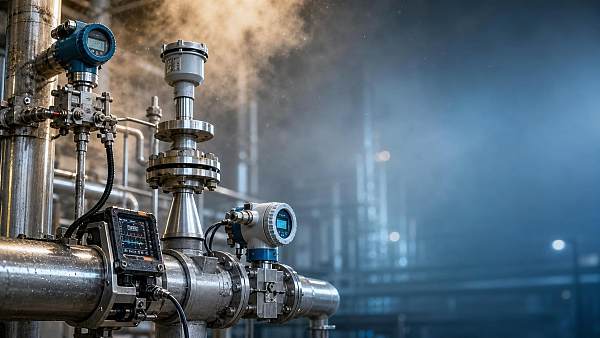
Coriolis, ultrasonic, magnetic, and radar technologies may feed twins of pipelines, reactors, tanks, or terminals.
In asset integrity, NDT data can update the condition state of turbines, pressure vessels, welds, and aircraft components.
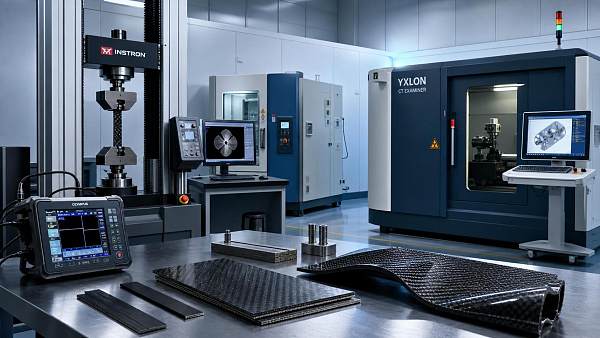
Industrial CT and phased array ultrasonics help models move beyond estimated degradation into observed internal evidence.
In semiconductor and advanced materials work, optical metrology links process parameters to micro-scale defects and surface geometry.
Material testing machines provide stress-strain and fatigue evidence for carbon fiber, aerospace alloys, superconductors, and polymers.
Digital Twins instrumentation connects these signals into a wider industrial memory.
That memory can support predictive maintenance, root-cause analysis, design feedback, and quality improvement.
Key Evaluation Points Before Selecting an Instrumentation Strategy
An effective evaluation should begin with the decision the digital twin must improve.
If the decision concerns shutdown timing, then reliability and false alarm behavior are critical.
If the decision concerns product quality, then repeatability, resolution, and traceable inspection conditions matter more.
Digital Twins instrumentation should be reviewed through both measurement science and system architecture.
- Define which physical behaviors the twin must represent, not only which variables are easy to measure.
- Check whether instrument uncertainty is acceptable for the model’s decision threshold.
- Confirm calibration intervals, reference standards, and environmental compensation methods.
- Review protocol support, cybersecurity requirements, and data historian compatibility.
- Assess how inspection images, waveforms, and reports will remain searchable over time.
- Plan how model updates will handle sensor replacement, firmware changes, or recalibration.
These checks reduce the risk of building a twin that looks connected but cannot be trusted.
The Role of Intelligence Sources in Reducing Technical Uncertainty
Instrumentation choices are shaped by more than datasheets.
Regulation changes, export controls, standards updates, and emerging algorithms can alter long-term technology suitability.
Market movement around wireless sensors, AI-assisted defect recognition, and high-frequency radar measurement is especially relevant.
A structured intelligence view helps compare instruments against future integration needs, not only current procurement limits.
Digital Twins instrumentation benefits from this broader perspective because twin programs often outlive individual devices.
A sensor installed today may feed operational models, compliance records, and AI training datasets for years.
Therefore, the question is not only whether an instrument measures well today.
It is whether its data will remain interpretable, defensible, and integrable tomorrow.
Building a Practical Path From Measurement to Digital Intelligence
A sensible path does not require connecting every possible device at once.
It often begins with a high-value asset, a clear failure mode, or a quality variable with measurable economic impact.
From there, Digital Twins instrumentation can be mapped against the data needed to represent that behavior.
For example, a pressure vessel twin may combine pressure trends, temperature cycles, ultrasonic thickness maps, and material fatigue data.
A semiconductor process twin may combine optical defect inspection, stage position data, environmental readings, and recipe history.
Each added measurement should improve a specific prediction, diagnosis, or control decision.
This prevents instrumentation expansion from becoming data accumulation without operational value.
The next useful step is to document measurement gaps, integration risks, calibration dependencies, and data governance requirements.
Comparing available sensors, meters, NDT systems, optical tools, and testing platforms then becomes more objective.
Digital Twins instrumentation is ultimately about confidence: confidence in signals, models, decisions, and industrial accountability.
A careful evaluation of data quality, sensor behavior, and integration architecture is the best starting point.
From that foundation, digital twins can move beyond visualization and become dependable instruments of industrial judgment.
Related Intelligence
 Universal Testing MachinesSep 02, 2026How to Choose Programmable Extreme Environment Testing for Material QualificationProgrammable extreme environment testing: learn how to select reliable systems for material qualification, precise control, traceable data, and real-world failure analysis.
 Nanoindentation TestersSep 01, 2026Which ISO Standards Guide Polymer Crystal Analysis for Reliable Material Testing?ISO polymer crystal analysis: discover which ISO standards support reliable DSC testing, crystallinity evaluation, melting behavior, and material performance decisions.
 Wireless IIoT NodesAug 31, 2026What Data Does Industry 4.0 Need for Reliable Production Analytics?Industry 4.0 data needs analytics built on trustworthy process, condition, quality, and material data. Discover how traceable measurements power reliable production decisions.
 Wireless IIoT NodesAug 30, 2026Selecting Process Control Sensors for European Plants: Standards, Accuracy, and IIoT IntegrationProcess control sensors Europe: learn how to select compliant, accurate, IIoT-ready instruments for safer, more reliable plant operations.
 Commercial InsightsAug 29, 2026Pressure Measurement in Latin America: Growth Drivers and Demand by IndustryPressure measurement Latin America: explore growth drivers, industry demand, digitalization, and supplier insights for energy, mining, water, and process industries.
 Wireless IIoT NodesAug 28, 2026Industrial Sensing for Process Plants: A Practical Guide to Measurement PointsIndustrial sensing guide for process plants: learn how to select reliable flow, level, pressure, temperature, and condition-monitoring measurement points.
 Universal Testing MachinesAug 27, 2026How to Select Material Testing Equipment for Rubber Across Tensile and Fatigue TestsMaterial testing equipment for rubber: learn how to select tensile and fatigue systems with the right grips, sensors, controls, and environmental options for reliable results.
 Silicon Pressure TransmittersAug 26, 2026How to Select High Pressure Instrumentation for Corrosive and High-Temperature ServiceHigh pressure instrumentation selection for corrosive, high-temperature service: learn how to compare materials, seals, temperature limits, and installation risks for safer, longer-lasting performance.
 RTD/Thermocouple Sensors)Aug 25, 2026How to Choose High Precision Stainless Steel Sensors for Corrosive Industrial EnvironmentsHigh precision sensors stainless steel selection guide for corrosive industrial environments. Learn how to compare materials, seals, stability, and outputs for reliable long-term performance.
 Commercial InsightsAug 24, 2026How to Evaluate Industrial Measurement Equipment Suppliers in Latin America?Industrial measurement equipment Latin America buyers can learn how to compare suppliers by accuracy, certification, service, and logistics to reduce risk and source with confidence.
 Commercial InsightsAug 23, 2026How to Improve Process Plant Reliability in Extreme Environments?Extreme environment adaptability for process plants starts with reliable sensing, smart materials, and targeted inspection. Learn practical ways to reduce downtime and boost uptime.
 Universal Testing MachinesAug 22, 2026How to Select Material Testing Solutions for Composites in Aerospace and AutomotiveMaterial testing solutions for composites: learn how aerospace and automotive teams choose the right mix of mechanical, NDT, and durability tests to cut risk and speed approval.
 Wireless IIoT NodesAug 21, 2026How to Evaluate Wireless Pipeline Monitoring Systems for Remote Leak Detection?Wireless pipeline monitoring systems: learn how to evaluate leak detection accuracy, false alarms, wireless reliability, integration, and lifecycle fit before choosing a solution.