What Precision Measurement Instruments Miss in Fast QC Checks
In fast-paced quality control, even the best precision measurement instruments can leave critical gaps when speed overtakes context. For QC teams and safety managers, missed micro-defects, unstable process signals, or hidden material fatigue can quickly turn into costly failures. This article explores what fast QC checks often overlook—and how smarter sensing, NDT, and data-driven inspection can close the gap between rapid decisions and reliable quality.
Why fast QC checks still miss risk even with precision measurement instruments
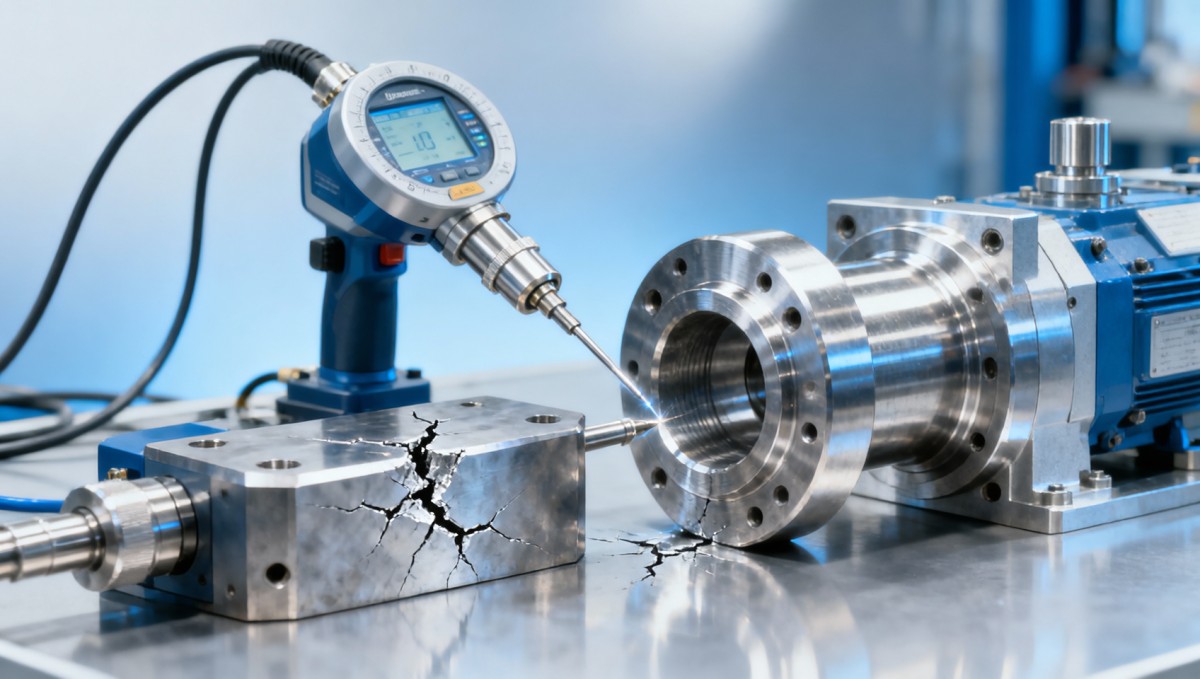
Many teams assume that if precision measurement instruments are accurate in the lab, they will automatically protect production quality on the line. In reality, fast QC checks often compress time, reduce sampling depth, and depend on single-point readings. That creates blind spots, especially in mixed manufacturing environments where geometry, temperature, vibration, contamination, and operator pressure can distort what a quick check appears to confirm.
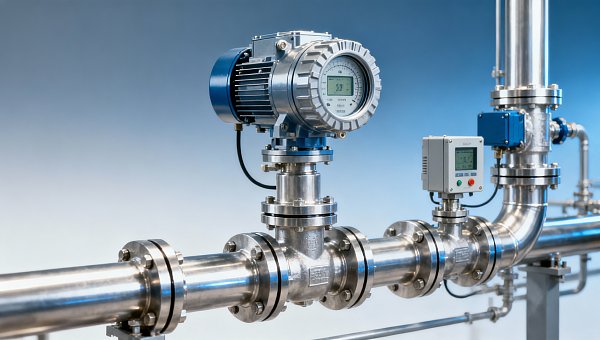
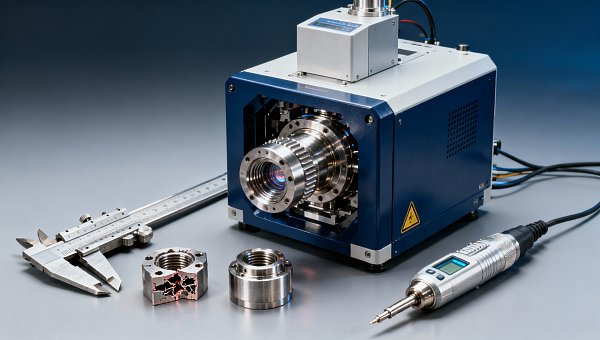
For quality control personnel, the problem is not only measurement resolution. It is measurement context. A caliper, pressure transmitter, optical comparator, flow meter, or microscope may report a valid value, yet still fail to reveal process instability, subsurface damage, or signal drift. Safety managers face the same issue from another angle: a passing result can hide developing failure modes that emerge only under load, heat, corrosion, fatigue, or repeated operation.
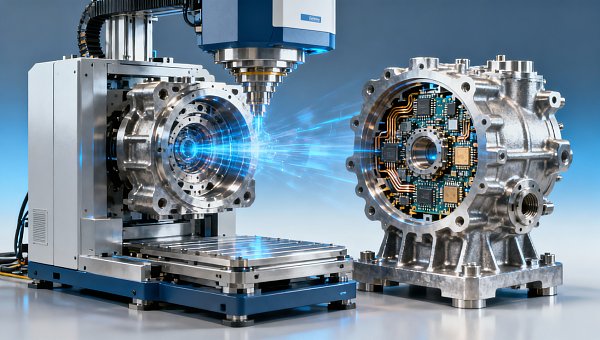
This is why modern industrial metrology is moving beyond isolated readings. PIAS follows this shift closely across flow and level monitoring, automated temperature and pressure sensing, NDT, precision optical observation, and material mechanics testing. In an Industry 4.0 environment, the real value of precision measurement instruments comes from how well they connect physical signals to process history, defect mechanisms, and decision thresholds.
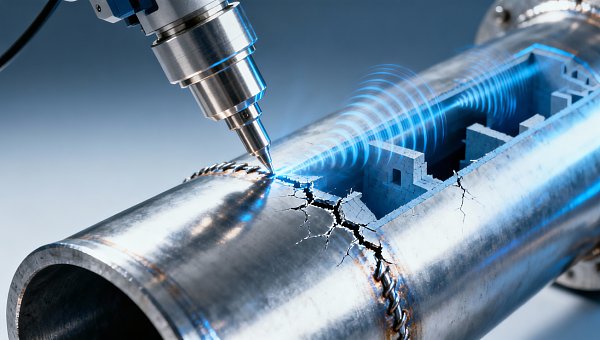
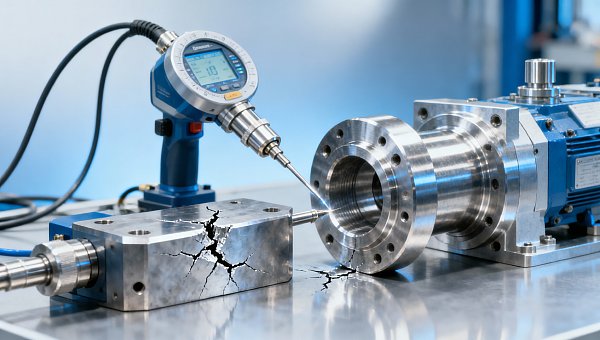
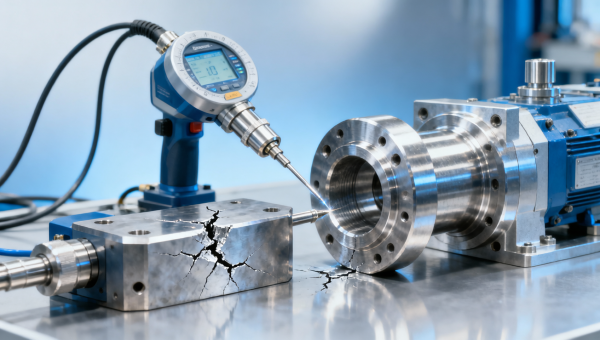
- A dimension may be in tolerance, while the material already contains micro-cracks or porosity.
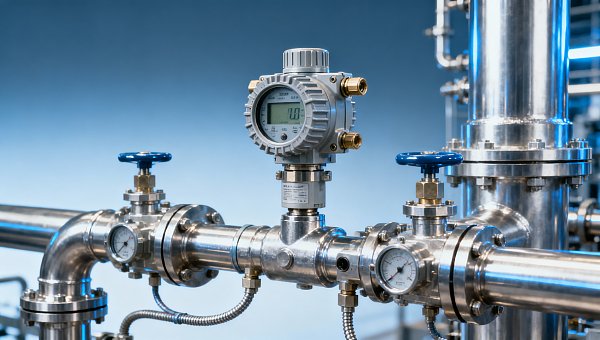
- A pressure signal may look stable in a quick snapshot, while transient spikes indicate a developing equipment or safety issue.
- A surface may appear clean under routine visual inspection, while microscopic defects suggest coating failure or wear acceleration.
What precision measurement instruments commonly miss in rapid inspection workflows
The gap is easiest to understand when fast QC checks are mapped against actual failure mechanisms. Quick inspection tends to favor visible, accessible, and immediately measurable features. High-risk defects are often hidden, intermittent, or dependent on combined variables. The table below highlights where precision measurement instruments perform well and where complementary methods become necessary.
The lesson is not that precision measurement instruments are insufficient. It is that rapid QC becomes risky when one measurement layer is treated as the whole truth. Teams that combine dimensional control with NDT, optical inspection, and material testing are far more likely to catch costly escapes before shipment, installation, or operation.
The most overlooked blind spots
- Subsurface discontinuities in welds, castings, adhesive joints, and thick-wall components.
- Dynamic process instability that disappears during manual spot checks but appears in continuous data streams.
- Micron-level wear or deformation that remains below routine acceptance attention but compounds over multiple production cycles.
- Material fatigue and stress response that only become visible through cyclic or environmental testing.
Which technologies close the gap fastest for QC and safety teams?
When the goal is faster release without lower confidence, the best answer is usually not a more expensive single instrument. It is a layered inspection strategy. PIAS tracks how manufacturers combine multiple sensing methods to protect both product quality and plant safety. This is especially relevant in sectors where defects can remain hidden until operation, transport, thermal cycling, or pressure loading.
The comparison below helps QC managers and safety leaders decide which technologies should complement precision measurement instruments in fast-check environments.
For many plants, the practical model is simple: use precision measurement instruments for high-speed control, then deploy NDT, optical methods, and mechanics testing where failure consequences or defect uncertainty justify deeper verification. This layered approach reduces false confidence without slowing the entire line.
High-risk scenarios where fast checks should never rely on one method
- Pressure-containing parts, where surface dimensions may pass while internal discontinuities grow under operating stress.
- Welded assemblies, where alignment can be correct but fusion defects or porosity remain hidden.
- High-cycle components, where initial measurements look stable but fatigue resistance varies by batch or heat treatment.
- Corrosive or dusty process applications, where sensor drift or coating degradation compromises quick acceptance results.
How to choose precision measurement instruments for fast QC without creating new blind spots
Selection mistakes usually start with one narrow question: “What accuracy do we need?” Accuracy matters, but QC and safety teams should also evaluate speed, repeatability under plant conditions, signal integrity, operator dependence, maintenance burden, and integration with traceability systems. In other words, a suitable instrument is one that keeps its performance in the actual inspection environment, not only on a specification sheet.
The following procurement guide can help teams compare precision measurement instruments more realistically when line speed, compliance, and safety risk are all in play.
This evaluation is especially important when buyers are under pressure to shorten delivery schedules or reduce inspection labor. A lower upfront cost may create higher total cost if the instrument adds manual interpretation, misses unstable conditions, or increases rework and claims.
A practical shortlist for QC buyers and safety managers
- Define the defect types you cannot afford to miss, not only the dimensions you need to record.
- Separate release inspection from root-cause investigation; they may require different tools.
- Prioritize instruments that export usable data for trending, alarms, and audit trails.
- Ask how performance changes in your actual process environment, especially in harsh or variable conditions.
Standards, compliance, and data credibility: what fast QC must document
Fast decisions still need defensible records. In many industries, quality release and safety verification are reviewed against documented procedures, traceability expectations, and calibration discipline. While exact standards differ by application, teams commonly align instrument control and inspection workflows with recognized metrology, NDT, process instrumentation, and quality management practices.
For safety managers, compliance is not only about passing audits. It is about proving that a measurement result is linked to the right method, operator, acceptance criteria, and operating context. For QC teams, this reduces disputes over whether a rejected batch reflects a true defect, a setup error, or an unstable sensor condition.
- Maintain calibration records and verification intervals appropriate to use frequency and risk level.
- Document sampling rules clearly when every-piece NDT or microscopy is not practical.
- Record environmental conditions when they can influence readings, such as temperature, vibration, or contamination.
- Link fast QC outcomes to escalation triggers for deeper testing, especially after trend deviation or repeat failure.
In this context, PIAS offers value not as a generic information source, but as an intelligence bridge across industrial metrology, optical observation, NDT, and physical testing. That broad view helps users judge when a measurement is enough, when it is incomplete, and when additional inspection layers are justified. In some content pathways, users may also encounter reference placeholders such as 无, but the larger priority remains technical fit, signal credibility, and risk-based decision support.
FAQ: what QC teams and safety managers ask before upgrading fast inspection
Do precision measurement instruments alone work for high-speed production release?
They work well for repeatable, defined characteristics such as dimensions, pressure, temperature, level, or mass flow, but only when those characteristics truly represent product quality or process safety. If likely failure modes include hidden cracks, porosity, fatigue damage, signal drift, or microstructural change, then fast release should include a second layer such as NDT, optical microscopy, or periodic mechanical validation.
What is the most common purchasing mistake?
Many buyers compare only nominal accuracy and price. That misses the larger issue of whether the instrument remains reliable in the plant environment and whether it can support traceability, trending, and quick operator use. A cheaper device that drifts in heat, dust, vibration, or corrosive exposure may cost more through false rejects, false accepts, and shutdown investigations.
When should NDT be added to a fast QC workflow?
Add NDT when defects can exist below the surface, when weld integrity matters, when material continuity affects safety, or when failure consequences are high. This is common in pressure systems, structural assemblies, cast parts, aerospace-related components, energy equipment, and high-duty industrial assets. NDT does not replace precision measurement instruments; it closes a different risk gap.
How can teams improve fast QC without slowing production too much?
Use risk-based layering. Keep routine precision measurement instruments for fast screening, automate data capture where possible, and define trigger conditions for deeper inspection. For example, process drift, repeated edge defects, abnormal acoustic signatures, or batch-to-batch material variation can activate microscopy, phased array ultrasonics, or mechanical sample testing. This protects throughput while avoiding blanket over-inspection.
Why choose us when fast QC decisions need more than a single reading?
PIAS is positioned for teams that need to understand the full chain from physical signal to quality decision. Our focus spans industrial flow and level meters, temperature and pressure transmitters, NDT equipment, precision optical microscopes and projectors, and material mechanics testing systems. That means QC personnel and safety managers can assess precision measurement instruments within a broader inspection architecture rather than in isolation.
If you are comparing fast inspection solutions, you can consult us on specific issues that affect purchasing and implementation: parameter confirmation, technology matching for hidden-defect risk, data integration requirements, expected delivery cycle concerns, inspection workflow design, sample evaluation strategy, and general certification or compliance considerations. If your team is reviewing a reference item such as 无, the more useful discussion is how that option fits your defect profile, operating environment, and reporting needs.
For organizations moving toward digital quality and predictive maintenance, the right next step is not simply buying more devices. It is building a measurement strategy that connects speed, credibility, and risk control. That is where informed comparison, cross-technology insight, and application-based guidance make the difference.
Related Intelligence
 Industrial X-ray/CTMay 11, 2026Industrial CT Turnaround Time Is Improving, but Not EverywhereIndustrial CT turnaround time is improving in some workflows, but not all. Discover where faster scans are real, where delays remain, and how to plan smarter inspection strategies.
 Wireless IIoT NodesMay 11, 2026Can Smart Sensors Reduce Downtime Without Adding Data Noise?Smart sensors can cut downtime without creating data noise—if signal quality, alert logic, and integration are right. Learn how to turn sensor data into cleaner, actionable insights.
 Silicon Pressure TransmittersMay 11, 2026Pressure Transmitters in Harsh Service Need More Than IP RatingsPressure transmitters in harsh service need more than IP ratings. Learn how to evaluate corrosion, vibration, thermal stress, and lifecycle cost for smarter, safer selection.
 Magnetic/Ultrasonic MetersMay 11, 2026Flow Meters That Look Cheaper Can Cost More to MaintainFlow meters that seem cheaper upfront can drive higher maintenance, downtime, and calibration costs. Learn how to compare lifecycle value and protect long-term ROI.
 Coriolis Mass FlowmetersMay 11, 2026Coriolis Flow Meters and Low Flow Accuracy: What Changes?Coriolis flow meters at low flow: learn how zero stability, turndown, fluid changes, and calibration affect accuracy—plus practical tips to improve measurement confidence.
 80GHz Radar Level TransmittersMay 11, 2026Level Meters Often Fail at the Same Point in Tank UpgradesLevel meters often fail during tank upgrades when old specs no longer match new conditions. Learn the hidden causes, avoid costly rework, and improve startup reliability.
 Evolutionary TrendsMay 11, 2026MEMS Sensors Keep Shrinking, So Why Do Integration Costs Rise?MEMS sensors are smaller than ever, but why do integration costs keep rising? Discover the real drivers—packaging, calibration, software, and reliability—in Industry 4.0.
 RTD/Thermocouple Sensors)May 11, 2026Temperature Transmitters Fail Early More Often Than ExpectedTemperature transmitters often fail earlier than expected. Learn the warning signs, root causes, and field checks that cut downtime, improve accuracy, and boost plant reliability.
 Industrial X-ray/CTMay 11, 2026Industrial CT vs Traditional Inspection for Hidden DefectsIndustrial CT vs traditional inspection: discover how industrial CT reveals hidden defects, improves traceability, and helps manufacturers balance accuracy, speed, and cost.
 Phased Array Ultrasonics - PAUTMay 11, 2026Ultrasonic Testing Blind Spots That Still Lead to Missed FlawsUltrasonic testing can still miss critical flaws due to dead zones, geometry, attenuation, and poor interpretation. Learn the key blind spots and how to improve detection reliability.
 Wireless IIoT NodesMay 11, 2026Smart Sensors Are Getting Easier to Deploy, But Harder to CompareSmart sensors are easier to deploy than ever, but far harder to compare. Discover what really matters in performance, integration, reliability, and long-term value.
 Commercial InsightsMay 11, 2026What Precision Measurement Instruments Miss in Fast QC ChecksPrecision measurement instruments can miss hidden defects in fast QC checks. Discover smarter NDT and data-driven inspection strategies to reduce risk and improve reliability.
 Silicon Pressure TransmittersMay 11, 2026Pressure Transmitters: The Small Spec That Causes Big ErrorsPressure transmitters can look identical on paper, yet one small spec can trigger big errors. Learn how span, stability, and response affect accuracy, safety, and control performance.